

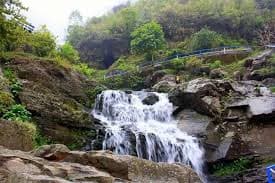
Torrential rain across north Bengal on 5–6 October caused devastating landslides that killed 23 people in Darjeeling and Mirik. The disaster struck amid Puja tourism, collapsing bridges, blocking highways, and isolating hill towns. Authorities have issued red alerts and suspended travel.
The Story
Continuous overnight rainfall exceeding 300 mm in 12 hours battered the sub-Himalayan districts of Darjeeling, Kalimpong, and Jalpaiguri. Landslides in the Mirik and Darjeeling sub-divisions buried homes and severed transport links. Officials of the Gorkhaland Territorial Administration (GTA) confirmed 11 deaths in Mirik and 12 in Darjeeling.
A section of the Dudiya iron bridge across the Balasan river collapsed on Saturday night, cutting off Siliguri from Mirik. Roads between the hills and the plains were extensively damaged, stranding thousands of visitors who had arrived for the Dasai festival.
GTA member Arun Sigchi said nine bodies were recovered from Mirik while more were being traced. The casualties include relatives visiting from neighbouring Nepal.
Chief Minister Mamata Banerjee said she would travel to north Bengal with the Chief Secretary to review relief work. Prime Minister Narendra Modi and Congress president Mallikarjun Kharge expressed concern and assured central assistance.
Three National Disaster Response Force (NDRF) teams have been deployed, including one in severely hit Mirik. Leader of the Opposition Suvendu Adhikari urged coordination among the NDRF, SDRF, ITBP, and Army for rapid evacuation.
The India Meteorological Department issued a red alert for extremely heavy rain in sub-Himalayan West Bengal till 6 October, warning of fresh slides and road blocks due to saturated soil.
Why It Matters
North Bengal’s hill districts are among India’s most landslide-prone zones, where unplanned road construction and intense monsoon bursts amplify disaster risk. The calamity highlights fragile Himalayan ecology, inadequate drainage planning, and the mounting pressure of tourism during festivals.
Background / Context
• Annual monsoon rainfall in the Darjeeling hills averages 3,000 mm; October storms often coincide with Puja travel peaks.
• The Balasan, Teesta, and Torsa rivers regularly breach danger marks after heavy inflow from Bhutan and Sikkim.
• On 23 September, 12 people died of electrocution in Kolkata following another bout of heavy rain.
• Bhutan’s National Centre for Hydrology and Meteorology has now alerted India about overflow at the Tala Hydropower Dam on the Wangchu river, urging preparedness downstream.
Implications
The disaster will likely disrupt north Bengal’s tea and tourism economy at the start of the festive season. Road and rail damage could isolate hill communities for weeks, delaying relief delivery. Climate scientists warn that extreme precipitation events in eastern Himalayas are rising in frequency, demanding stronger slope management and early-warning systems.
Conclusion
As rescue efforts continue, authorities face a dual challenge: restoring connectivity and preventing further loss amid ongoing rainfall. The episode reinforces the urgency of climate-resilient infrastructure and coordinated trans-boundary flood management between India and Bhutan.