

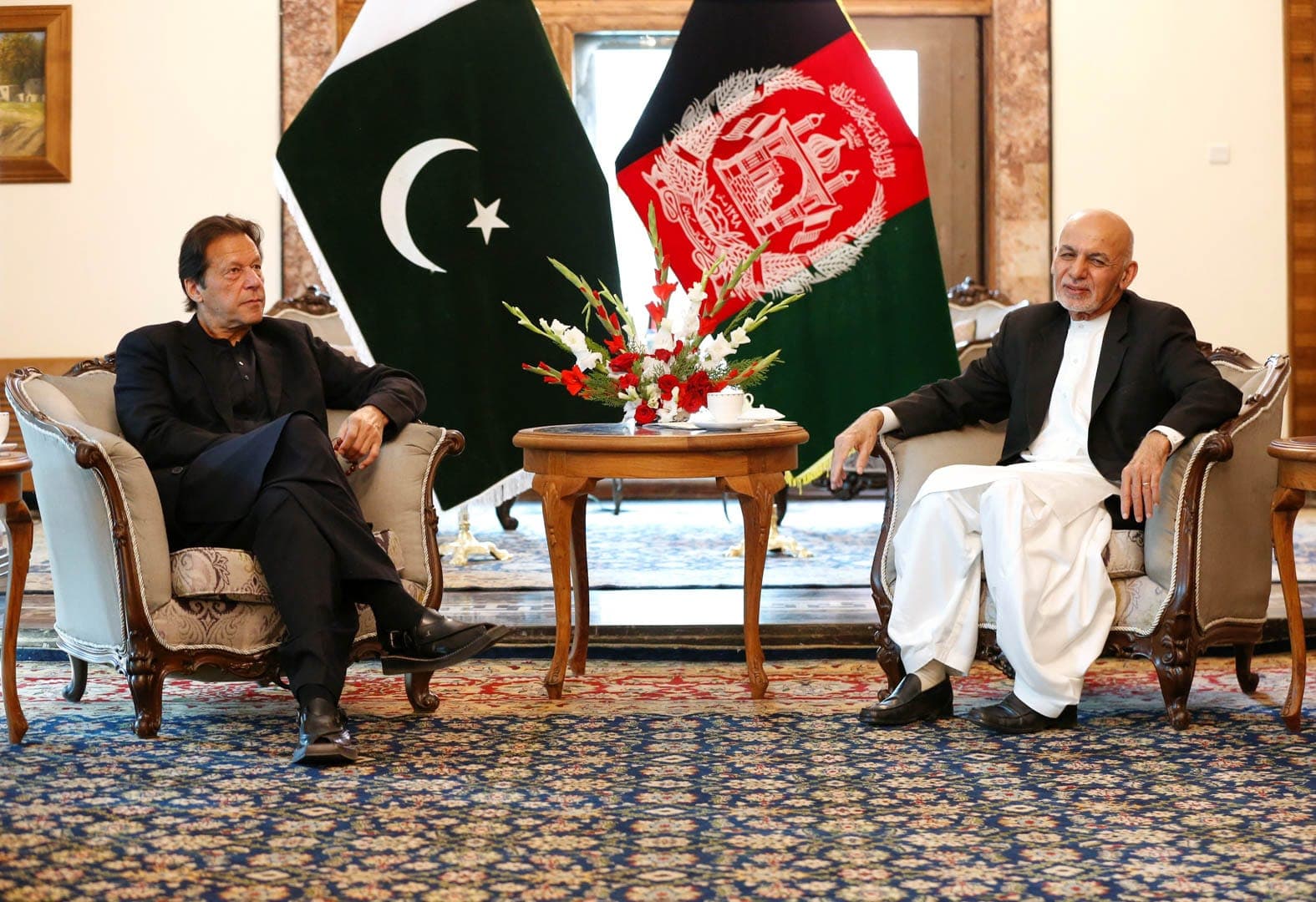
The firefights across the Durand Line are a symptom of a larger shift. Pakistan’s military Establishment still expects deference from Kabul; the Taliban, now in uncontested control at home and courted abroad, wants strategic room. The outcome will shape militancy, trade routes, and India’s neighbourhood calculus.
What just happened—and why it matters
-
Kinetic spike: Pakistan and the Taliban conducted strikes and raids across multiple sectors; border crossings were shut.
-
Why it’s different: Past skirmishes were tactical. This confrontation coincides with Kabul’s wider diplomatic outreach (to China, Russia, India) and Islamabad’s insistence that the Taliban curb the TTP—turning a transactional relationship into a strategic contest for leverage.
The five structural frictions
-
Hierarchy vs autonomy
Islamabad views the Taliban as a dependent actor shaped in the 1990s; Kabul claims sovereign latitude after outlasting a superpower and Pakistan’s “double game.” -
The TTP question
Pakistan accuses Kabul of sheltering the Pakistani Taliban; the Taliban cites Pakistan’s internal governance and blames Islamabad’s tactics. Neither side trusts the other’s counter-terror commitments. -
Who makes Pakistan’s Afghan policy
Civil–military imbalance keeps Afghan policy in GHQ’s lane, limiting parliamentary oversight and diplomatic flexibility. -
Refugees and deportations
Islamabad’s mass expulsion—first of undocumented Afghans, then registered refugees—has hardened sentiment in Kabul and strained humanitarian equities. -
Border economics as coercion
Recurrent closures at Torkham and Chaman punish Afghanistan’s trade lifelines; Kabul sees this as siege economics, Islamabad as pressure for compliance.
The regional realignment under way
-
Taliban’s hedging: Engagements with China (mining, connectivity), Russia (diplomatic recognition), and overtures to India diversify Kabul’s options.
-
Pakistan’s hedging: Warmer ties with Iran and Saudi Arabia, and tactical coordination with the U.S. on counter-terror, seek to offset Afghan unpredictability.
Net effect: The more Kabul diversifies, the less effective Pakistan’s levers (refugees, crossings, patronage networks) become—unless Islamabad can offer positive economic interdependence.
Likely scenarios (near term)
-
Managed hostility: Intermittent strikes, periodic closures, high-decibel rhetoric; limited de-escalation through Gulf mediators.
-
Security quid pro quo: Conditional trade facilitation and refugee talks in exchange for visible Taliban action against specific TTP nodes.
-
Spiral risk (worst case): Escalation to sustained border warfare, proxy activation, and deeper regional involvement—bad for all, especially Afghan civilians and Pakistan’s border economy.
What this means for India
-
Opportunity with risk: Quiet engagement with Kabul on humanitarian aid, health, capacity-building, trade corridors can reduce Pakistan’s veto—but must be ring-fenced from security spillovers.
-
Borderland stability as a public good: Support multilateral mechanisms on refugee protection, de-mining, and cross-border health that are hard to politicise.
-
Counter-terror vigilance: Maintain intelligence channels and calibrated red lines on anti-India groups, independent of the Pakistan–Taliban tug-of-war.
-
Connectivity realism: Bet on modular connectivity (Chabahar, Central Asia air corridors) rather than any single corridor dependent on Afghan–Pak détente.
Policy prescriptions (for stakeholders)
For Islamabad
-
Shift from punitive closures to predictable trade facilitation; broaden dialogue beyond security to include customs, transit and people-to-people commerce.
-
Re-anchor Afghan policy in civilian oversight; tie any quid pro quo to verifiable deliverables rather than maximalist demands.
For Kabul
-
Visible, verifiable steps against cross-border militants; formalise dispute channels; decouple external outreach from domestic ideological signalling that alarms neighbours.
For mediators (Gulf/UN)
-
Pair ceasefire understandings with economic sweeteners: corridor access, fuel, and humanitarian carve-outs tied to compliance metrics.
Bottom line
This isn’t a blip; it’s a correction. A relationship once organised around dependency is being renegotiated around sovereignty and leverage. Unless both sides replace coercion with reciprocal, verifiable trade-security bargains, the border will remain a pressure cooker—with costs far beyond the Durand Line.
Credits: D. Suba Chandran; Source: The Hindu