

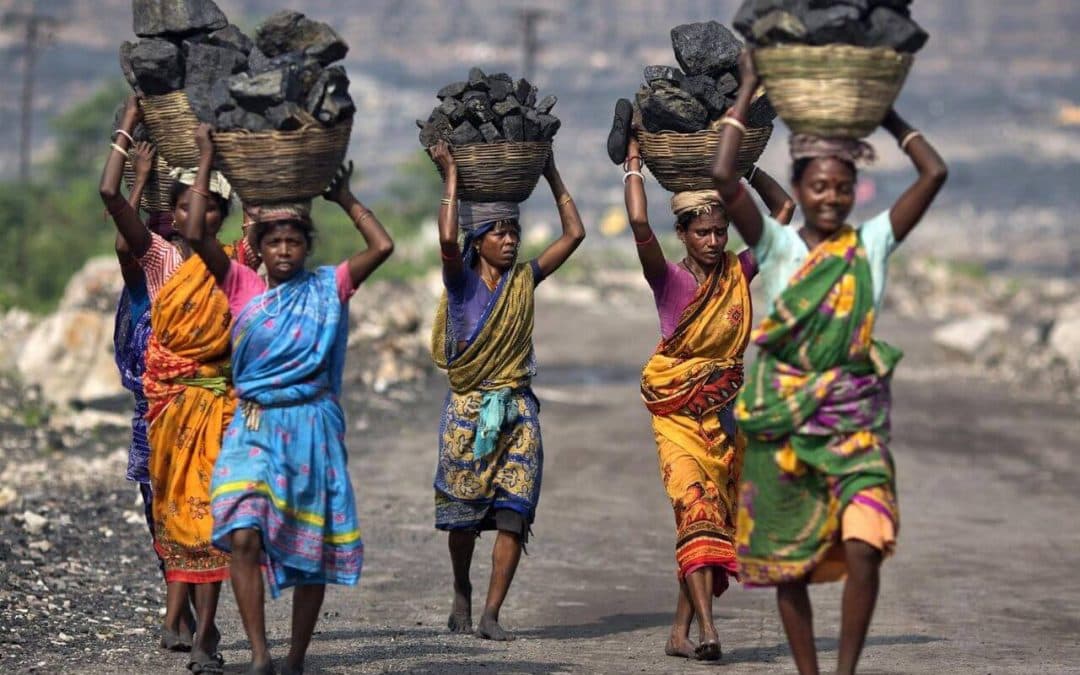
India’s recent industrial tragedies have revived an uncomfortable question: are workers’ rights being systematically eroded in the name of economic growth? The Sigachi Industries blast in Telangana, the Sivakasi fireworks explosion, and the Ennore coal-handling collapse together reveal a pattern of weak regulation, neglected safety norms, and a business environment that prizes output over human life.
The Story
On June 30, 2025, a reactor explosion at Sigachi Industries, Telangana, killed at least 40 workers and injured dozens more. The reactor was allegedly operating at twice its permissible temperature, without alarms, supervision, or an on-site ambulance. Unregistered contract labourers fled through broken walls, and authorities could not even determine how many were missing—a chilling testament to informal, unregulated employment.
Barely a day later, eight workers died in a fireworks factory blast in Sivakasi, Tamil Nadu. By September 30, nine more perished when a coal-handling plant collapsed at Ennore Thermal Power Station in Chennai. These incidents are not outliers but symptoms of a deeper institutional crisis.
The British Safety Council estimates that one in every four workplace deaths worldwide occurs in India, a figure likely understated due to chronic underreporting—especially in the informal sector, where workers lack contracts, benefits, or legal recourse.
Why Do Industrial Accidents Occur?
Accidents, experts stress, are preventable, not inevitable.
-
Negligence and cost-cutting: Companies routinely operate unsafe machinery, avoid maintenance, and dismiss worker complaints.
-
No safety audits: Even when safety officers exist on paper, monitoring is lax or corrupted.
-
Long hours and low wages: Workers are forced to take double shifts, heightening fatigue-related risks.
-
Absence of medical response: On-site ambulances or emergency kits are often missing.
The International Labour Organization (ILO) has repeatedly noted that industrial accidents stem not from human error, but from management failure—a deliberate underinvestment in safety to cut costs.
What the Law Provides
1. Factories Act, 1948
The bedrock of Indian labour regulation, it mandates factory licensing, worker safety, sanitation, canteens, crèches, and defined working hours. It recognises that safe work is a legal right, not a privilege. Amendments in 1976 and 1987 (post-Bhopal Gas Tragedy) expanded safety audits and chemical hazard oversight.
2. Workmen’s Compensation Act, 1923 & Employees’ State Insurance Act, 1948
These laws guarantee monetary compensation for injuries or death caused by work-related accidents. However, in practice, payments are meagre, delayed, and rarely hold employers criminally accountable.
3. Occupational Safety, Health and Working Conditions (OSHWC) Code, 2020
The OSHWC Code consolidates 13 existing labour laws but has been criticised for shifting worker protection from statutory obligation to executive discretion. Once enforced, it will make safety compliance dependent on government notifications—weakening workers’ ability to demand accountability.
The Erosion of Labour Protections
Since the 1990s, India’s labour policy has tilted decisively toward employer “flexibility.”
-
Self-certification: States like Maharashtra (2015) allowed firms to self-certify compliance, bypassing inspections.
-
Ease of Doing Business reforms: Safety and inspection were recast as “bureaucratic hurdles.”
-
Longer working hours: Several States, including Karnataka in 2023, extended work hours and reduced rest breaks.
-
Weakened inspections: Fewer surprise checks and limited union access to factory sites.
What this means is clear: the state has largely privatised labour regulation. Oversight has been replaced by trust in corporate self-regulation—often with lethal results.
What the ILO Says
The ILO Convention on Occupational Safety and Health (No. 155) recognises safe and healthy working conditions as a fundamental human right. It holds employers directly responsible for risk prevention, employee training, and safety equipment.
However, India—though a founding ILO member—has been slow to ratify key conventions on freedom of association, inspection standards, and liability frameworks. This gap between international commitments and domestic enforcement continues to undermine workplace dignity.
Why It Matters
-
Human Cost: Every industrial death reflects institutional failure—an unheeded warning, a missing alarm, or a neglected safety drill.
-
Economic Cost: Unsafe workplaces reduce productivity, morale, and long-term efficiency.
-
Moral Cost: When compensation is paid from public funds, not corporate accounts, accountability dies and impunity thrives.
Industrial disasters—whether Bhopal (1984), Vizag (2020), or Telangana (2025)—are not accidents; they are symptoms of a system that values capital over labour.
The Way Forward
-
Restore Inspection Rights: Reinstate independent labour inspectors with unannounced audit powers.
-
Criminal Accountability: Introduce criminal liability for preventable industrial deaths.
-
Worker Registration: Mandate digital registration of all factory workers, including contract and gig labour.
-
Ratify ILO Conventions: Especially those on workplace safety (No. 155) and labour inspection (No. 81).
-
Transparency and Data: Publish annual workplace safety reports disaggregated by sector and gender.
-
Empower Trade Unions: Ensure collective bargaining and safety representation in every hazardous industry.
Conclusion
The recurring tragedies in India’s factories expose a grim truth: economic liberalisation without labour protection is moral regression. Laws exist, but enforcement is hollow; compensation flows, but accountability stalls. The erosion of workers’ rights is not just a legal issue—it is a question of justice, dignity, and the value India places on human life.
Until safe work is treated not as a regulatory burden but as a constitutional promise, every new industrial disaster will echo the same refrain—one that the country seems unwilling to hear.
Credit: Reporting inputs adapted from The Hindu (by Gautam Mody).