

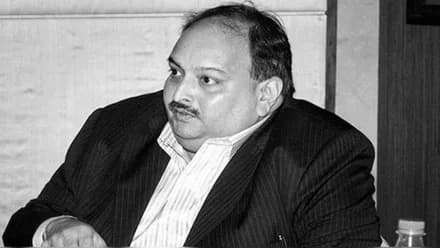
Belgium’s Court of Appeals in Antwerp has rejected Mehul Choksi’s bid to block extradition to India in the PNB fraud case—a rare, clean win at an early stage for New Delhi. Choksi can still approach Belgium’s Supreme Court, but the judgment materially shifts leverage toward India.
1) What exactly did the Belgian court decide?
-
A Belgian appellate bench upheld India’s request to extradite Choksi, arrested in Antwerp in April 2025, clearing a legal path for his transfer to stand trial in India.
- It’s a preliminary success: the order is executable but subject to further appeal to Belgium’s Supreme Court within a short, statutory window.
2) The immediate appeals path (realistically)
-
Cassation (Supreme Court): Choksi can contest points of law/procedure, not re-argue facts. Cassation can quash, uphold, or remit. Extraditions often proceed if the state prevails at this stage.
- Human-rights challenges: In parallel or after, defence teams sometimes raise prison-conditions or fair-trial objections using European jurisprudence; states counter with diplomatic assurances.
3) Why Belgium was pivotal for India’s case
-
Treaty plumbing is in place: India and Belgium have a Mutual Legal Assistance Treaty (MLAT) in force since March 4, 2023, easing evidence/certification flows that support extradition litigation.
-
Legacy extradition basis exists: Belgium historically recognized bilateral extradition arrangements with India (via UK-era instruments later confirmed by exchange of notes), giving courts a known legal scaffold.
4) The core legal tests Belgium looked at (and India satisfied)
-
Dual criminality: Alleged conduct (fraud, conspiracy, money-laundering) is criminal in both jurisdictions.
- Specialty & fair-trial assurances: India will typically assure that the fugitive is prosecuted only for the extradited offences and that due-process/medical/prison standards are met—standard European practice.
- Sufficient case materials: The bench found India’s dossier and Belgian prosecution’s stance adequate to keep the arrest lawful and allow extradition to proceed.
5) Where the PNB case stands (in brief)
-
Choksi and his associates are accused of using fraudulent Letters of Undertaking (LoUs) at PNB to tap overseas credit, a scam publicly exposed in 2018. He left India in early 2018 and later secured Antigua & Barbuda citizenship.
-
Scale: Reports peg the exposure around ₹12,600–13,000 crore; Choksi’s nephew Nirav Modi faces a parallel UK extradition track.
6) Interpol and the “no Red Notice” myth
-
Interpol withdrew its Red Notice for Choksi in 2023, which he has cited in past defences. But extradition does not require an active Red Notice; Belgian proceedings relied on arrest warrants and bilateral cooperation.
7) What happens if (and when) he lands in India
-
-
CBI: Trial-facing offences—cheating, conspiracy, criminal breach of trust—move ahead; statements, bank trails, and witness lists already marshalled will be pressed in court.
-
ED: Parallel PMLA prosecution (money-laundering) would continue, with prior attachments/forfeiture actions strengthening recovery chances for lenders. (ED’s powers in financial cases have been repeatedly sustained in recent rulings.)
-
8) Likely defence pivots to watch
-
Health & medical care claims, and prison-conditions objections—answered by assurances on facilities and monitoring.
-
Citizenship & persecution arguments (given his Antigua status)—countered by India with evidence of due process and case specificity.
-
Procedural quibbles (warrants, certification, chain-of-custody): usually addressed by MLAT-enabled documentation.
9) Broader significance for India’s extradition playbook
-
Proof of concept for Europe: A successful haul from Belgium—despite the Interpol RCN hiccup—shows India can deliver court-standard dossiers in the EU system.
- Signal to financial fugitives: Even with second passports or investment-citizenships, Europe’s courts will entertain substantive requests backed by treaty cooperation and tailored assurances.
- Pressure on parallel cases: Wins like this can shape how other European courts weigh assurances and the credibility of India’s prosecution pipelines.
10) The near-term checklist (editor’s radar)
-
Does Choksi file cassation within the window, and on what grounds?
- Assurances package (health, prison, trial timeline) India offers to lock down HR objections.
- Asset-recovery track: coordination between CBI (predicate offences) and ED (proceeds of crime) to improve bank recoveries post-extradition.
- Timeline realism: Even with this ruling, physical surrender can take weeks to months depending on appeals.
Bottom line
The Antwerp ruling flips the momentum. Choksi still has legal room to maneuver, but the default trajectory now points to a courtroom in India, not indefinite limbo in Europe. For lenders and investigators, that’s the first necessary step from paper victories to recoveries and convictions.