

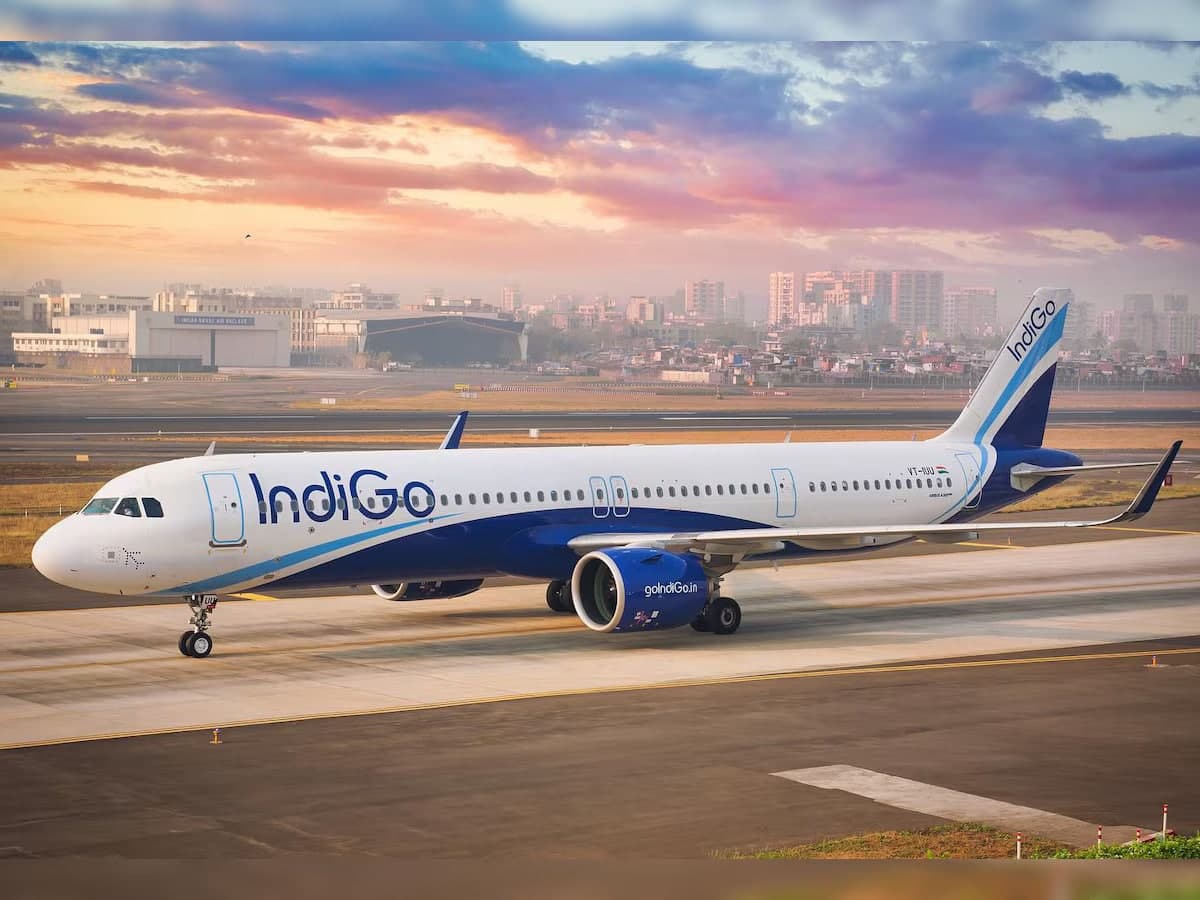
Union Civil Aviation Minister K. Rammohan Naidu told Parliament on Monday that the government has opened a formal inquiry into IndiGo’s mass flight cancellations, which left thousands of flyers stranded at airports across the country. Blaming IndiGo’s crew rostering and internal planning, he said the airline failed to manage its day to day duty roster despite prior discussions with the ministry. The minister warned that “very, very strict action” would follow, not only for this episode but also to set an example for the entire aviation industry.
India’s largest airline, IndiGo, has been at the centre of one of the worst aviation disruptions in recent years, with more than 2,000 flights cancelled over about a week following the implementation of new pilot rest and duty rules. The cancellations affected major hubs such as Bengaluru, Delhi, Mumbai, Kolkata, Hyderabad and Pune, leaving passengers in long queues and forcing many to reschedule work, medical appointments and family events.
In the Rajya Sabha, Mr. Naidu squarely blamed IndiGo’s crew management and duty roster planning. He said that during a meeting on the new Flight Duty Time Limitation (FDTL) norms on 1 December, IndiGo sought clarifications, which were provided, but did not flag any major operational risk. The subsequent meltdown, he stressed, was the result of the airline’s own internal planning failures, not the government’s regulatory changes.
The Directorate General of Civil Aviation (DGCA) has already issued a show cause notice to IndiGo, citing lapses in planning and resource management while implementing the revised FDTL scheme. IndiGo’s reply to the regulator reportedly points to an “unforeseeable confluence” of factors, including new roster rules, winter schedule changes, technical issues and weather, but stops short of pinpointing a single cause.
Financial markets have reacted sharply. IndiGo’s parent InterGlobe Aviation has lost a significant portion of its market value in a short span, with ratings agencies calling the disruptions “credit negative” due to likely revenue loss and brand damage during the peak winter travel season.
On the ground, the airline says it has initiated refunds running into hundreds of crores of rupees for affected passengers, even as it works to stabilise the network. IndiGo has claimed improvement in on time performance and said that all cancellations in the daily schedule are now being pre notified. Passengers, meanwhile, have been repeatedly searching terms such as “IndiGo flight status”, “IndiGo flight cancellations today”, “IndiGo refund status” and “IndiGo customer care number”, reflecting the anxiety generated by the crisis.
Why It Matters
The episode goes beyond one airline’s operational troubles. IndiGo controls a dominant share of India’s domestic aviation market, so when IndiGo flights are disrupted, the impact is national, touching leisure travellers, migrant workers, doctors, students and business executives alike.
For passengers, the crisis has sharpened focus on practical questions that dominate everyday search trends: how to check IndiGo flight status, what the IndiGo flight cancellation policy promises, how quickly IndiGo refunds are processed, and whether compensation is available when flights are cancelled at short notice. The government’s response will therefore be seen as a test case for consumer protection in India’s low cost, high volume aviation market.
For policymakers, the controversy is also a stress test of the new FDTL framework, which seeks to strengthen safety by enforcing stricter pilot rest norms. If airlines struggle to adapt their crew scheduling and duty roster planning to these rules, regulators may need to revisit the transition framework, even while refusing to dilute safety standards.
Background / Context
The immediate trigger for the crisis lies in the revised Flight Duty Time Limitation norms, which cap pilot duty hours, tighten night flying provisions and mandate longer rest periods to reduce fatigue, bringing India closer to global safety benchmarks.
IndiGo had requested clarifications from the Ministry of Civil Aviation on these rules in early December. Officials say the ministry responded promptly and did not receive any indication that the airline would face a large scale disruption. However, on 5 December, IndiGo undertook what DGCA described as a “drastic measure” of rebooting its network by cancelling a significant number of flights to reposition crew and aircraft and decongest airports.
At the same time, the airline’s own brand ecosystem has been built on reliability and on time performance, supported by a digital layer that encourages passengers to use IndiGo web check in, track IndiGo flight status in real time and manage bookings online. The current disruption cuts directly against that brand promise, which is why search interest in IndiGo flights, IndiGo cancellation rules and IndiGo customer care has spiked during the crisis.
Implications
Regulators have signalled that this will not remain an internal issue between IndiGo and its customers. The DGCA has already ordered IndiGo to cut a portion of its flight schedule, with daily slots likely to be reallocated to other carriers if disruptions persist. Officials have also warned of financial penalties and further incremental cuts, making clear that non compliance with FDTL implementation and contingency planning will attract tangible costs.
For the airline, the combination of lost revenue, rising operational expenses and damage to brand trust could weigh on financial performance in the coming quarters. Rival carriers may gain temporary market share, but they also face pressure to prove that their own crew management and roster systems can handle the same regulatory environment without triggering similar chaos.
For passengers, one practical implication is a renewed emphasis on transparent communication. Flyers are likely to judge airlines not only by ticket price but also by how clearly they publish IndiGo style information on flight status, cancellation rules, refund timelines and customer support channels. The way IndiGo processes refunds, handles baggage delays and responds to grievances in the coming weeks will influence broader expectations in the sector.
Conclusion
By publicly blaming IndiGo’s crew rostering and planning, the Centre has drawn a firm line on operational accountability while standing by stricter safety norms. The eventual regulatory outcome, and how quickly IndiGo restores confidence in its flights, refunds and customer care, will shape both passenger trust and the future discipline of India’s fast growing aviation market.