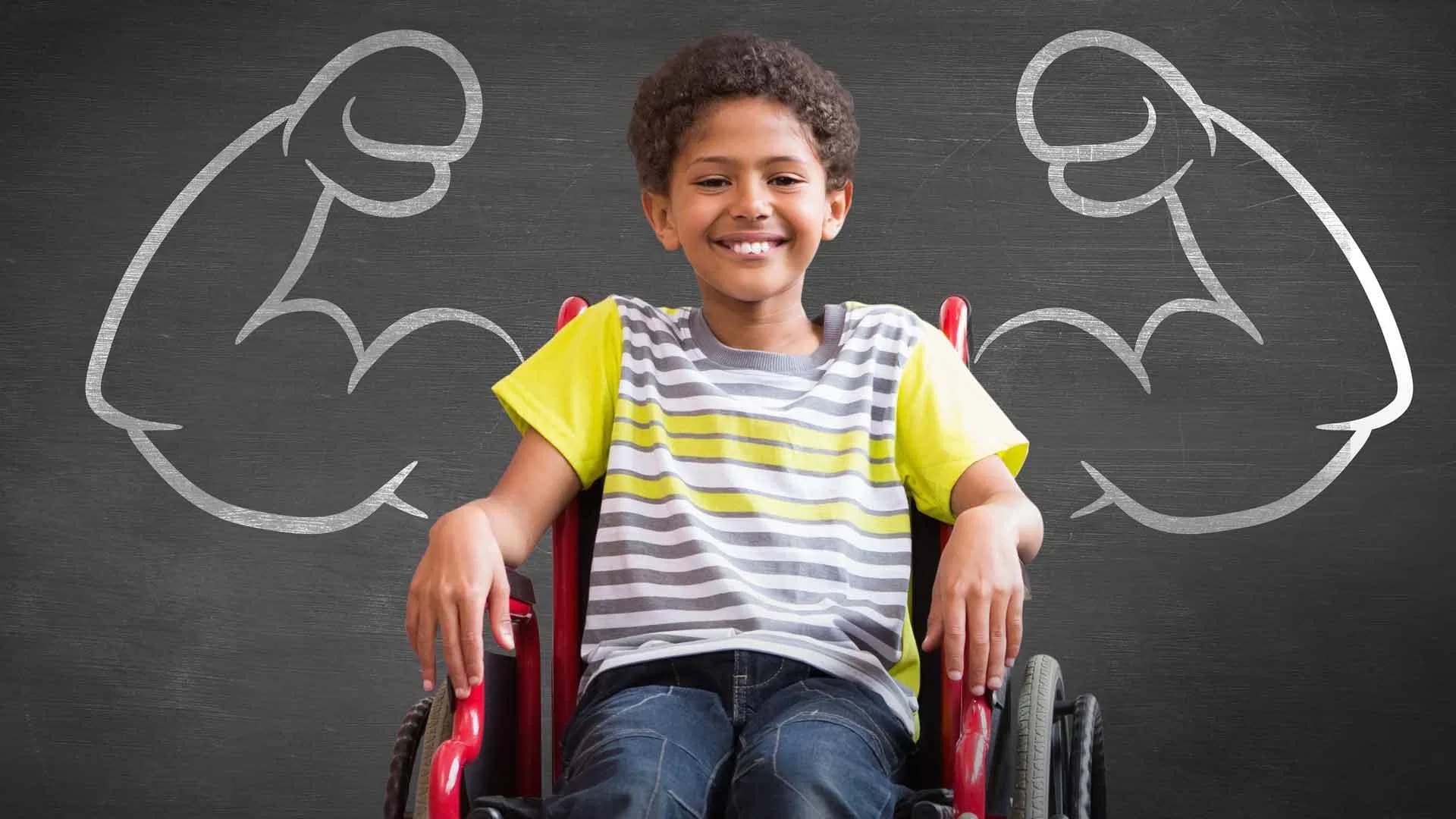
Children love the idea of invisibility as magic. For children with disabilities, invisibility is the opposite: it is exclusion without a name. When systems do not count them properly, they fall through the cracks of immunisation, anganwadis, schooling, assistive support, and social protection. The most urgent reform is not only ramps and resources, but recognition: data that sees them, services that reach them, and institutions that treat inclusion as a right, not charity.
What’s in the news
A recent UNICEF-linked account on Asia and the Pacific flags disparities affecting nearly 108 million children with disabilities, especially in access to rights and services. It highlights civil registration, particularly birth registration, as a foundational gateway to belonging and access. In India, practitioners point to the deeper challenge of undercounting and lack of disaggregated data on children with disabilities across key programmes and surveys, weakening targeted policy and delivery. UN ESCAP’s Incheon Strategy focus on early intervention and inclusive education is cited, with warnings that quality, accessibility, and rights-based orientation remain uneven across the region.
Background and context
“Inclusion” fails first at the point of measurement. If a child is not visible in official systems, the state cannot plan, budget, monitor, or correct. For children with disabilities, invisibility is often produced by ordinary barriers: inaccessible registration offices and hospitals, hard-to-navigate paperwork, lack of transport, social stigma, and frontline systems that are not trained to identify disability early or respond with dignity. The consequence is a disabling cascade: delayed diagnosis, missed early intervention windows, poor learning outcomes, dropouts, and later exclusion from skills and work.
Civil registration is not merely documentation; it is the administrative doorway to rights. When birth registration is incomplete or difficult, every subsequent service becomes harder to claim. This is especially punishing for families already managing disability-related costs, caregiving stress, and social isolation.
Key provisions and policy hooks
1) Civil registration and vital statistics (CRVS) as a rights gateway
Birth registration anchors identity, entitlement, and access to health, education, and protection schemes. When CRVS systems are inaccessible, disability-related exclusion begins early and compounds over time.
2) Early identification and early childhood intervention
Incheon Strategy goals and regional assessments emphasise early intervention and inclusive education. Early intervention has lifelong impact, but quality varies and many programmes still follow a medical model that treats disability as “defect” rather than focusing on social barriers and rights.
3) Inclusive education, not parallel schooling
Children with disabilities are less likely to attend and complete school. Accessible learning environments, inclusive pedagogy, and special educator support are uneven, and disruptions like the pandemic hit children needing specialised strategies harder.
4) Accessibility as an ecosystem, not a building feature
Without disability benefits, assistive technology, accessible transport, and inclusive community services, school and health access remains theoretical, especially in rural and remote areas.
Why it matters
1) Visibility is the first form of justice
If programmes cannot answer basic questions on immunisation, nutrition, anganwadi coverage, or learning outcomes for children with disabilities, policy becomes blind. Blind policy produces unfair outcomes even without explicit discrimination.
2) Disability is not a niche issue; it is a development issue
Children with disabilities sit at the intersection of health, nutrition, education, protection, and poverty. Exclusion i
ncreases household vulnerability and deepens inequality across generations.
3) Early years decide life chances
Delays in identification and support in the first few years can harden into lifelong barriers. Early intervention is not a welfare add-on; it is a capability investment with high social returns.
4) The real barrier is the system’s design
A family may be willing, a child may be eager, but inaccessible hospitals, hostile paperwork, missing transport, and untrained frontline staff can defeat them repeatedly. That is why inclusion must be engineered into delivery, not expected from the child’s resilience.
Arguments for and against current approaches
Arguments for the current direction
-
Regional strategies like Incheon have put early intervention and inclusive education on policy agendas.
-
Many countries, including India, have legal frameworks and schemes that can be aligned toward inclusion if delivery improves.
-
Growing focus on accessibility, assistive technology, and inclusive schooling signals progress.
Arguments that the approach remains insufficient
-
Data gaps and undercounting keep children with disabilities outside the planning frame.
-
Over-reliance on medical certification and institution-centric services delays support and discourages families.
-
Inclusion is often reduced to infrastructure, while pedagogy, curriculum adaptation, and social protection remain weak.
-
Fragmented governance across departments produces “handover failures” where no agency owns outcomes end-to-end.
Constitutional and legal angle
India’s rights framework supports a strong inclusion mandate through equality and dignity principles, alongside statutory protection under disability law and the state’s obligation to ensure access to education and basic services. The legal promise, however, depends on administrative design: disability-aware data systems, accessible procedures, reasonable accommodation in schools and public services, and enforceable standards for accessibility and non-discrimination. In practical terms, the gap is rarely the absence of law; it is weak implementation capacity and weak accountability for outcomes.
Implications
1) Data invisibility will keep wasting public money
Without disaggregated tracking, resources can be spent without knowing who benefited, where exclusion is highest, and which interventions work.
2) Schools will continue to lose children silently
Dropouts among children with disabilities often look like “attendance issues” rather than system failure. If inclusive supports are not built into schools, dropout becomes predictable.
3) Gendered exclusion will persist
Girls with disabilities and caregivers, often mothers, face compounded barriers, especially when mobility, documentation, and safety constraints intersect.
4) India’s demographic dividend will leak at the margins
If children with disabilities cannot access education and skills, the labour market remains exclusionary and the economy loses talent that could have been enabled with relatively modest, early support.
Way ahead
1) Build disaggregated disability data into core surveys and delivery dashboards
Track disability outcomes within immunisation, nutrition, anganwadi enrolment, learning achievement, and social protection. What is not measured will not improve.
2) Make CRVS and health systems disability-accessible by default
Simplify procedures, provide assisted registration, ensure physical accessibility, offer local-language and caregiver support, and reduce repeated documentation burdens.
3) Shift from medical gatekeeping to rights-based service delivery
Certification should not become a barrier to immediate support. Provide early assistance while assessment and formal processes run in parallel.
4) Strengthen inclusive education where the child already is
Train teachers, provide special educators and resource support, adapt learning materials, enable assistive technology, and ensure reasonable accommodation in assessment and classroom practice.
5) Treat mobility and benefits as educational infrastructure
Accessible transport and disability benefits are not welfare extras; they are the enabling layer that makes school attendance and therapy possible.
6) Create accountable coordination across departments
One child’s pathway crosses health, education, social welfare, local governance, and transport. Assign clear ownership for outcomes at district level, with grievance redress that families can actually use.
Conclusion
Inclusion is not only about access; it is about recognition and belonging. A child with disabilities becomes visible when the state counts them, designs services around real constraints, and holds institutions accountable for outcomes. The most compassionate reform is also the most practical one: build systems where the child does not have to fight for every step.
Source credits : The Hindu; UNICEF report as referenced; UN ESCAP commentary on disability inclusion; practitioner insights cited in the reported piece.