

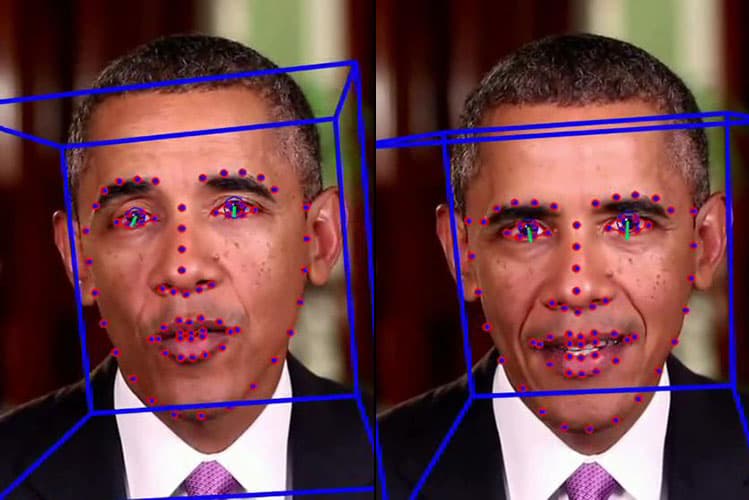
The Delhi High Court’s evolving jurisprudence on AI-generated deepfakes and celebrity misuse is setting a benchmark in India’s digital law landscape. Following its landmark 2022 order protecting Amitabh Bachchan’s persona, the court has widened its shield to cover multiple public figures as deepfake tools proliferate worldwide.
The Story
Since 2022, Indian courts have widened interim shields over name, image and voice against AI misuse. The core idea—that consent and dignity travel with your persona—aligns with a worldwide push to rein in synthetic media that can humiliate, defraud, or sway voters. Beyond takedowns and dynamic injunctions, solutions now hinge on three levers: transparency (labels and provenance), time-bound remedies (especially for intimate or electoral harms), and platform duty of care—backed by verifiable audit trails.
Why It Matters
Synthetic media collapses the cost of deception. Fraudsters clone voices and faces; creators can mislead at scale; victims must prove harm while content multiplies across mirrors. Policymakers must pick tools that actually work under virality: provenance that survives edits, response-time SLAs for takedowns, and penalties for repeat offenders—without chilling satire, criticism or research.
Background / Context
What the world is arguing about
• Label vs ban: The EU’s risk-based model leans on mandatory disclosures for AI-generated content, including deepfakes, so users know when media is synthetic.
• Speech vs deception: In the U.S., states have moved faster than Congress with pre-election blackout rules or disclosure mandates for political deepfakes; courts have struck down overbroad versions that chilled parody, highlighting First Amendment tensions.
• Platform duty of care: The U.K.’s regime imposes enforceable duties on services to assess and mitigate illegal and harmful synthetic content, with regulator-backed guidance and audits.
• Command-and-control: China’s “deep synthesis” rules require watermarking, consent safeguards, and safety assessments—an infrastructure-level approach to provenance and accountability.
What courts and regulators actually protect
• Persona scope: Name, image, voice, signature gestures; misuse can trigger privacy, passing-off, unfair trade, and misappropriation principles.
• Process reality: Dynamic injunctions help, but victims still need speed, cross-platform coordination, and uploader identification. Hence the shift toward traceability plus provenance at creation time, not just takedowns after virality.
What studies and real-world data say
• Humans detect poorly: Meta-analyses show average human accuracy near chance when asked to spot deepfakes; confidence often doesn’t track correctness.
• Abuse is mostly sexual—and gendered: Large-scale audits consistently find the majority of deepfakes are non-consensual pornography targeting women.
• Fraud is escalating: Law-enforcement threat briefings note rising use in CEO fraud, investment scams, and synthetic CSAM; enterprises report multimillion-dollar losses from video-conference impersonations.
• Provenance is scaling: Open standards like content credentials now embed cryptographic, tamper-evident metadata about how media was created and edited; major newsrooms, camera makers, and software vendors are integrating this.
• Risk frameworks exist: Government and industry risk-management frameworks emphasise provenance, auditing, incident response, and red-teaming—templates that can be lifted into procurement and compliance.