

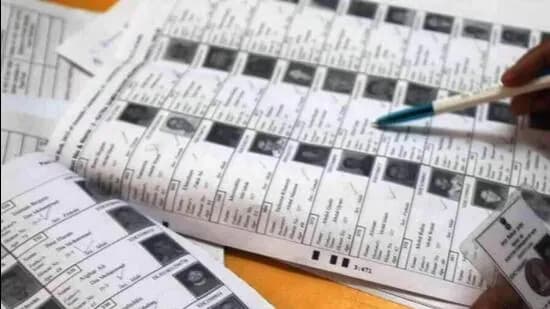
Two decades after the last full SIR, India is still updating its voter rolls as if it were 2004. To regain credibility, electoral roll management must shift from fragmented paperwork to a privacy-safe, API-integrated, software-verified system that records every change with a digital signature and exposes machine-readable audit logs to the public.
Why the current SIR model struggles
-
Paper-era SOPs in a digital country: Eleven legacy documents demanded; Aadhaar excluded, pushing citizens toward scarce or outdated proofs and creating friction for migrants, first-time voters, and marginalised groups.
-
Isolated databases: Birth, death, migration and residence records are not interoperable; no real-time cross-checks or automated de-duplication at scale.
-
Opaque processes: Additions/deletions often not released in machine-readable formats, limiting independent audits and public verification.
-
Measurement fragility: Bihar’s SIR showed mass deletions without traceable notice, implausible demographic shifts, and re-inclusions without documents—symptoms of manual workflows, not systematic fraud detection.
Aadhaar’s role—use, don’t sideline (with safeguards)
-
De facto digital ID: Biometrics + unique ID enable strong one-to-one verification unmatched by most other documents.
-
How to deploy responsibly:
-
Use consent-based, purpose-limited Aadhaar authentication only for deduplication and identity validation.
-
Store only verification tokens, not raw biometrics; adopt data minimisation and strict access logs.
-
Pair with alternative routes (passport, government IDs, offline KYC) so no voter is excluded.
-
ECI-Net: from database to trust machine
-
What it already can do: Detect duplicates, flag inconsistencies, enable corrections, and generate demographic reports.
-
What it must add now:
-
API interoperability: Seamless, audited pipes with Civil Registration System (birth/death), population registers, and verified address sources (e.g., property tax/utility records), with legal safeguards.
-
Digital audit trails: Every add/delete/correction to carry a digitally signed order, timestamp, official ID, and reason code, visible (in masked form) to citizens.
-
Machine-readable transparency: Weekly CSV/JSON rolls of additions, deletions, migrations and reasons—district/booth wise—for third-party audits.
-
Anomaly analytics: Built-in dashboards to auto-flag implausible age/gender ratios, sudden mass deletions, duplicate EPICs, or spikes in single-address registrations.
-
Citizen-first grievance stack: Trackable e-tickets, SLA-bound resolutions, multilingual IVRS/WhatsApp chatbots, and proactive SMS/email alerts for actions on a voter’s record.
-
Inclusion guardrails: Assisted digital kiosks, mobile camps, and offline tokens so digitally excluded citizens can complete e-KYC without smartphones.
-
Security & privacy by design: Role-based access, encryption at rest/in transit, differential privacy for public datasets, periodic third-party audits, and a breach-disclosure protocol.
-
A phased reform blueprint (90–360 days)
-
Phase 1 (90 days): Publish machine-readable change logs; standardise reason codes; enable citizen alerts; start anomaly dashboards for DEOs.
-
Phase 2 (180 days): Pilot CRS-death sync in two States; roll out deduplication with tokenised Aadhaar/alternate KYC; set up independent data audit panel.
-
Phase 3 (360 days): Nationwide CRS integration, automated interstate migration workflows, booth-level analytics, and public transparency portal with downloadable datasets and redressal metrics.
What success looks like
-
Accuracy: Near-real-time removal of deceased voters; automated address shifts with consent.
-
Accountability: Every action traceable; arbitrary mass deletions become technically and procedurally difficult.
-
Accessibility: Fewer document hurdles; omnichannel grievance redressal; multilingual support.
-
Assurance: Public, machine-readable data fosters verifiable trust, not just official claims.
Bottom line
The electoral roll is a living national asset. Treat it with the same digital rigor India brings to UPI and tax platforms: privacy-preserving identity checks, interoperable registries, signed audit trails, and open, machine-readable transparency. Done right, SIR 2025 can evolve from a verification ritual into a trust revolution.