

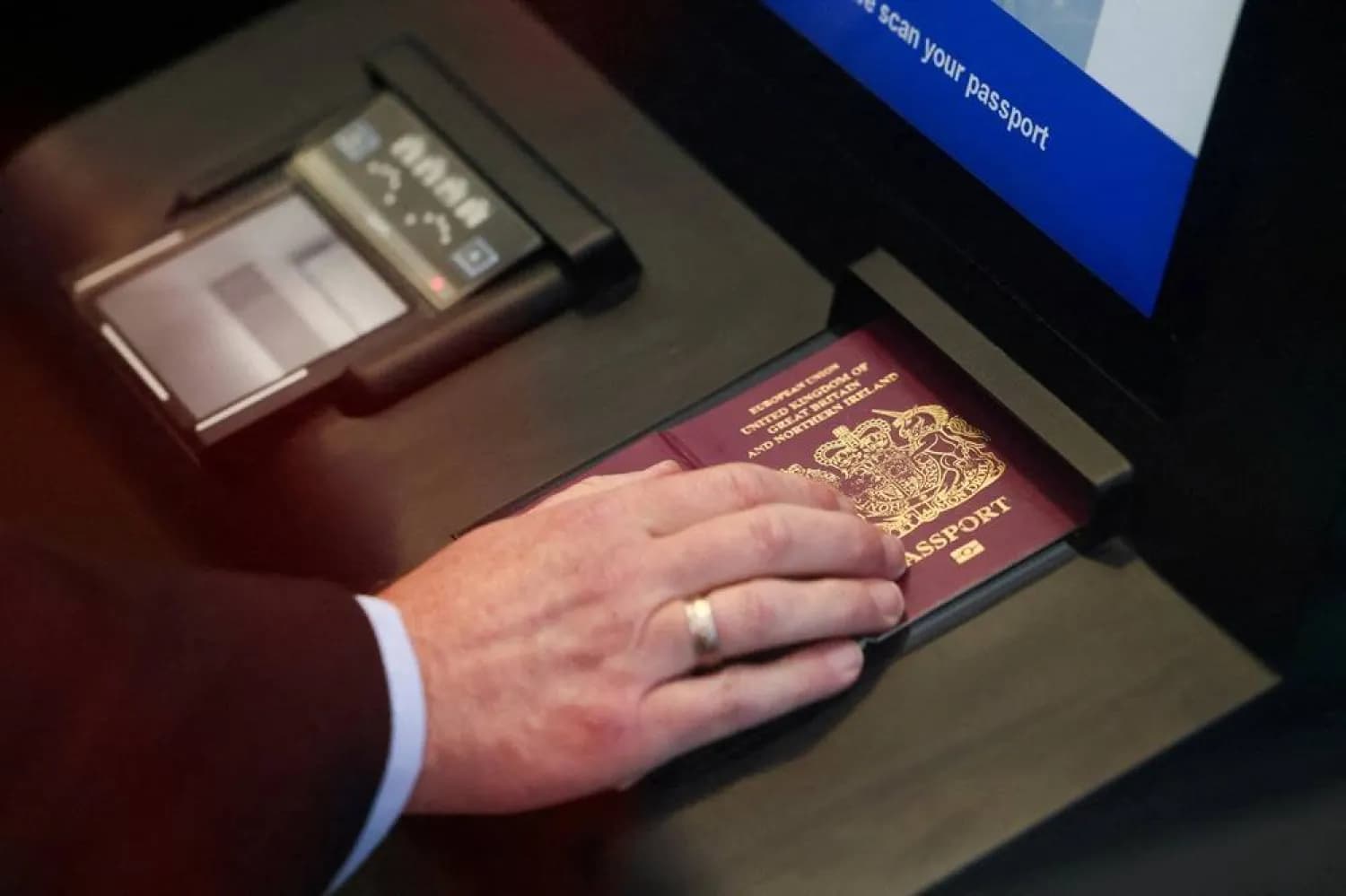
Europe is switching from ink stamps to biometrics. The EU’s Entry/Exit System (EES) has begun a staggered launch at external borders, creating a shared, automated record for most non-EU visitors. The goal is faster, more accurate checks and better overstay detection—but early phases may bring longer queues as first-time enrolments ramp up.
What is the EES—and what changes at the border?
EES is a Schengen-wide IT system that stores each non-EU traveller’s identity (biographic data from the passport plus fingerprints and a facial image) along with the dates and places of entry/exit and any refusal of entry. It replaces manual passport stamping and automatically computes permitted stays (e.g., the 90/180-day rule for short-stay travellers).
Who is affected—and who is not?
-
Affected: Most non-EU/EEA/Swiss nationals entering the Schengen Area for short stays (visa-exempt or Schengen short-stay visa holders), including tourists and business travellers.
-
Generally not enrolled: EU/EEA/Swiss citizens; non-EU residents holding EU residence permits when using resident lanes; travellers crossing internal Schengen borders.
-
Children: Biometrics are typically taken with age-appropriate safeguards; procedures can vary by state and age bracket.
How it works at first use (and after)
-
First crossing after local rollout: Scan passport; provide fingerprints and a live facial image; confirm biographic details.
-
Subsequent crossings: The system reuses your stored record—border agents verify identity via the biometric template; processing is usually quicker than the initial enrolment.
-
Data retention: Records are kept for a defined period (reset by each new crossing), under EU data-protection and access-control rules.
Why the EU is doing this
-
Accuracy over stamps: Automated calculation of stay limits reduces human error.
-
Security and migration management: Better detection of document fraud and overstays, and improved statistics for policy.
-
Streamlined checks: Once enrolled, crossings can be faster, particularly at busy airports and ferry/land crossings with e-gates.
Practical tips for travellers (especially first-timers during rollout)
-
Arrive early: First registration adds minutes—factor extra time at airports, seaports, and land posts.
-
Keep documents handy: Passport, visas (if any), and proof of itinerary/accommodation help if officers ask contextual questions.
-
Follow airport signage: Some posts will separate first-time EES enrolment queues from regular lanes.
-
Mind your 90/180 clock: EES enforces it strictly; plan itineraries accordingly.
EES vs. ETIAS: don’t confuse them
-
EES = biometric entry/exit database used at the border.
-
ETIAS = a forthcoming travel authorisation (pre-trip online screening) for visa-exempt visitors. Many travellers will eventually need both: an approved ETIAS before departure and EES registration at the border.
Concerns and implementation challenges
-
Initial congestion: Enrolment can slow lines until most frequent visitors are in the system.
-
Airlines and ferries: Carriers must adapt check-in/boarding processes and ensure compliance.
-
Privacy & data security: Although covered by EU data-protection law, centralised biometrics heighten stakes for cybersecurity and access controls.
-
Consistency at land borders: Variable infrastructure/readiness may create uneven experiences across member states.
Bottom line
EES modernises Schengen border checks by replacing stamps with biometrics and automated stay tracking. Expect some teething troubles during first registrations, but once enrolled, most travellers should see quicker, more consistent processing—and far less confusion about days remaining.
Source: The Hindu