

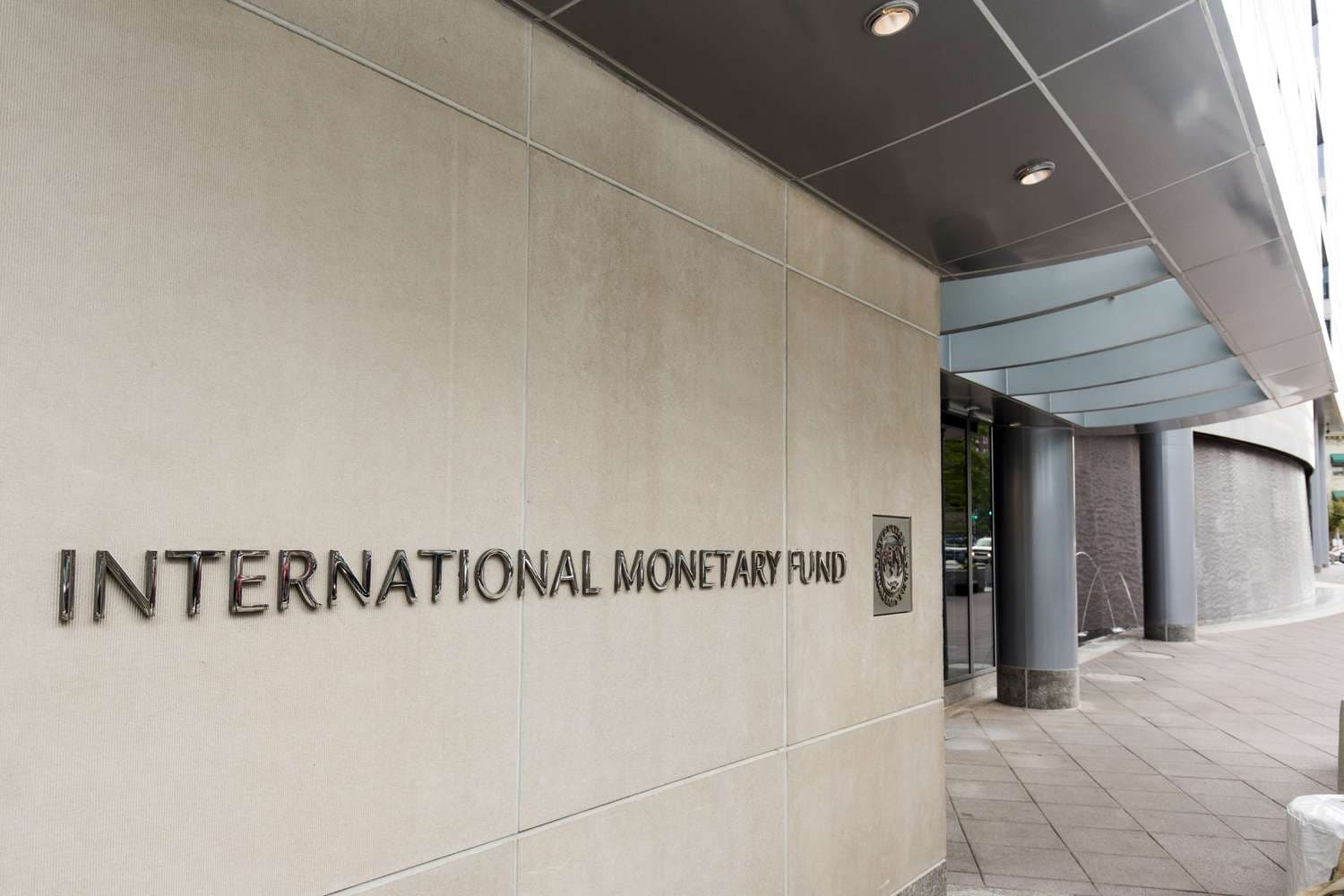
The IMF nudged up India’s 2025 growth forecast to 6.6 percent, crediting carryover from a strong first quarter led by manufacturing, services and construction, while paring 2026 to 6.2 percent as that initial surge normalises and global headwinds persist.
What changed and why
-
Upgrade for 2025: Q1 growth of 7.8 percent created a carryover that more than offset tariff effects.
-
Trim for 2026: Momentum is expected to cool as base effects fade and external demand stays soft.
-
Global picture: 3.2 percent in 2025, 3.1 percent in 2026, with uncertainty and protectionism weighing on trade and investment.
-
Tariffs: Impact so far smaller than initially anticipated, according to the IMF.
What this means for India
1) Policy mix
-
RBI: With inflation easing off peaks but still watch-listed, a cautious, growth-supportive stance is likely. Rate cuts, if any, hinge on food-price risks and global rates.
-
Fiscal: Space is tighter. Prioritise capex with faster execution and crowd-in private investment rather than broad stimulus.
2) Growth engines
-
Investment: Keep the gross fixed capital formation ratio high; de-bottleneck logistics, power transmission and urban infrastructure to lift productivity.
-
Exports: Diversify markets and products, leverage FTAs prudently, and move up value chains in electronics, pharma, and services.
3) Risks to watch
-
External: Slower global trade, shipping disruptions, higher-for-longer global rates.
-
Domestic: Weather shocks to food, execution lags in infrastructure, and balance sheet stress in pockets of MSMEs/real estate.
-
Trade policy: Retaliatory frictions could re-emerge; stable and predictable tariff regimes support investment.
4) Opportunities
-
Manufacturing scale-up: PLI 2.0 style reforms, standards and testing capacity, and factor-market fixes.
-
Services 2.0: Health, education, creative, legal-process and AI-enabled exports beyond IT.
The bottom line
A 6.6 percent print in 2025 against a choppy world is solid. Sustaining 6-plus in 2026 and beyond will depend on sticking with investment-led growth, deeper reforms that lower the incremental capital-output ratio, and export diversification that buffers tariff and demand shocks.
Source: The Hindu