

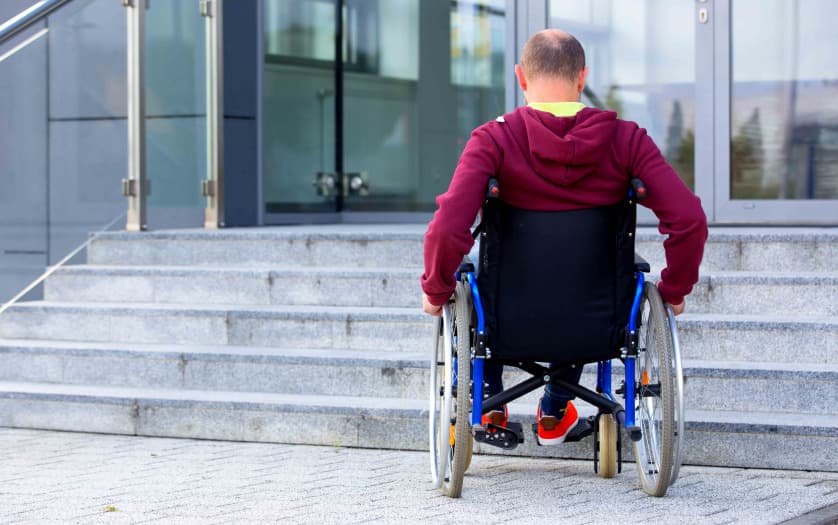
This year’s Durga Puja in Kolkata has introduced new inclusivity measures. From ramps for the disabled to women-only entry gates, organisers and NGOs are working to ensure that every visitor, regardless of age, gender, or ability, can take part in the festivities.
The Story
The five-day Durga Puja festival in West Bengal draws massive crowds each year, but for many, the celebration has often been marred by inaccessibility and safety concerns. In response, several puja committees across Kolkata have introduced measures to make pandals more welcoming.
Wheelchair ramps, braille displays, guided tours for persons with disabilities, and women-specific entry points are visible at leading pandals this year. More than 250 puja committees are participating in accessibility competitions organised by the Forum for Durgotsab in collaboration with the National Institute of Professionals. The award will recognise pandals that are most friendly to the disabled and senior citizens.
SilverGenie, an elder care management organisation, has also launched a senior citizen award. “We have taken 35 senior citizens around different pandals across the city. The three most accessible pujas will be given the award. Our senior citizens will be the jury,” said Poulomi Bhattacharya, CEO, SilverGenie Pvt Ltd.
The India Autism Center, in partnership with massArt, conducted special tours for around 450 autistic individuals between 18 and 22 September. They were guided through 24 pandals equipped with ramps, disabled-friendly washrooms, and accessibility features based on UNESCO guidelines.
Eveready Industries has also stepped in, partnering with Vikramshila Education Resource Society to sponsor a Durga Puja organised by underprivileged children. Their “Ultima Bahon”, a remote-controlled toy truck, carried the idol to the pandal — a symbolic step to spread inclusiveness.
At the same time, women-only entry gates called Shurokkha Dwar (Gate of Safety) have been set up in some pandals to reduce harassment in crowded spaces.
Why It Matters
Accessibility in public events is not merely a courtesy, but a legal and social obligation. The Supreme Court and several High Courts have consistently held that equal access to public spaces is a constitutional right under Articles 14 and 21, and is reinforced by the Rights of Persons with Disabilities Act, 2016.
For decades, many Indians with disabilities, senior citizens, and women were excluded from cultural spaces due to safety and design barriers. By ensuring ramps, braille displays, women-only gates, and sensory-friendly tours, Durga Puja organisers are setting an example that other large festivals and gatherings across the country could follow.
Background / Context
-
Legal framework: The Rights of Persons with Disabilities Act, 2016, mandates accessibility in public buildings and events. The Supreme Court in Rajive Raturi v. Union of India (2016) directed governments to ensure barrier-free public spaces.
-
Government programmes: The Accessible India Campaign (Sugamya Bharat Abhiyan) was launched in 2015 to make at least 50% of public buildings and events accessible by 2025. Progress has been uneven.
-
Status so far: According to government audits, many public buildings, railway stations, and cultural venues remain only partially compliant. Efforts at festivals like Durga Puja reflect grassroots attempts to fill the gap.
Implications
-
Who benefits: Persons with disabilities, senior citizens, women, and neurodiverse individuals gain direct access and safety.
-
Social impact: Inclusive pandals normalise accessibility, making it an expectation rather than an exception.
-
Challenges: Many smaller committees lack funds for ramps, washrooms, or interpretation services. Government subsidies and CSR contributions could help scale efforts.
-
Future outlook: If accessibility becomes standard practice at Durga Puja, it may influence other festivals — from Ganesh Chaturthi in Maharashtra to Kumbh Melas in Uttar Pradesh — setting a national precedent.
Conclusion
The inclusivity push at Kolkata’s Durga Puja marks a cultural shift where accessibility is becoming central to celebration. While challenges remain, the efforts by committees, NGOs, and corporates show how India’s largest festivals can evolve into truly shared spaces. The real test will be whether such measures move from symbolic awards to permanent infrastructure across the country.