

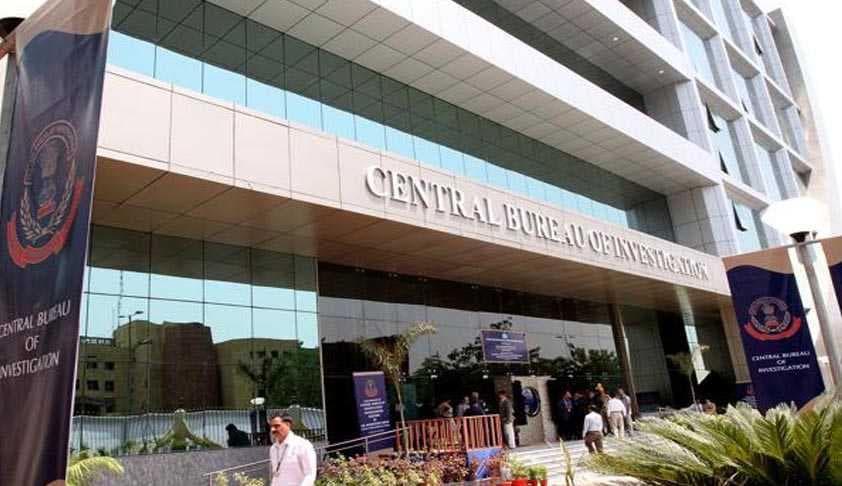
Constitutional courts can direct a CBI probe under Articles 32/226, but only sparingly. In the Karur case, the order rests largely on petitioners’ assertions and perceived bias—without specific findings of mala fides, delay, or systemic failure in the SIT—raising questions about federal comity, threshold standards, and the risk of normalising central takeovers.
The Constitutional Framework
-
Power source: Articles 32 (SC) and 226 (HC) enable courts to protect fundamental rights, including by directing investigations.
-
Federal balance: Police and public order lie in the State List; judicial transfers to a central agency therefore require exceptional justification.
The Threshold for a CBI Transfer (Evolved Principles)
Courts have consistently held that:
-
Not routine: CBI transfers must be “sparingly, cautiously, and only in exceptional situations.”
-
Prima facie material: There should be concrete indicators—e.g., systemic failure, involvement of high officials/powerful persons, compromised integrity, or tardy/protective investigation—not mere allegations or general distrust.
-
Last resort: The court should consider less intrusive measures first (court-monitored SITs, supervision directions, timelines).
Applying the Test to the Karur Stampede
-
Basis cited: Political undertones; senior police remarks at a press briefing seen as defending subordinates; apprehension of bias.
-
What’s missing: Specific findings of bias, delay, stonewalling, tampering, or conflict inside the SIT/Commission. The SIT was court-constituted; a parallel Commission of Enquiry was already in motion.
-
Consent context: Tamil Nadu has withdrawn general consent for CBI; judicial transfer overrides this only with compelling reasons.
-
Supervision wrinkle: Appointment of a retired SC judge–led oversight for the CBI probe ensures accountability but lacks a clear statutory frame, inviting debate on institutional propriety.
Precedent Markers (Doctrinal Takeaways)
-
Extraordinary power, narrow use: Transfers should follow evidence-backed concerns, not public perception alone.
-
Material over pleadings: Courts have warned that allegations in petitions are insufficient without supporting material showing the need for central expertise or independence.
-
Respect for State machinery: The default presumption is that State Police can investigate offences within their jurisdiction unless integrity is demonstrably at risk.
Why It Matters
-
Federalism: Frequent central takeovers risk eroding State autonomy in policing.
-
Institutional load: The CBI is a specialised but capacity-constrained agency; routine transfers can dilute focus on cases that truly demand national remit.
-
Public trust: Paradoxically, bypassing State agencies without strong grounds can undermine confidence in local institutions and judicial consistency.
A Calibrated Path
-
Court-monitored SITs: Tight timelines, periodic status reports, and protective orders can preserve independence without immediate centralisation.
-
Trigger points for CBI: Clear showings of political capture, interference, threats to witnesses, cross-border ramifications, or complex financial/forensic trails.
-
Transparent reasoning: Detailed, evidence-based orders help set predictable thresholds and safeguard federal comity.
Bottom Line
CBI transfers are a remedy of last resort. In Karur, the Court’s reliance on perceived bias and “political undertones,” absent concrete infirmities in the SIT’s functioning, reopens the debate on how high the bar should be before centralising a criminal probe—and how to balance public confidence, federal principles, and judicial restraint