

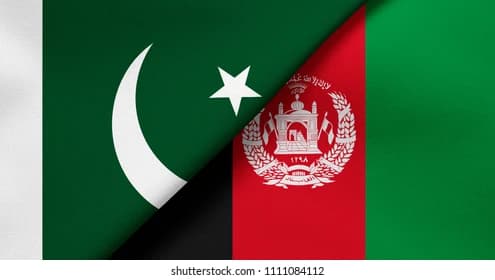
Hours after a 48-hour ceasefire calmed nearly a week of deadly border fighting, Taliban officials accused Pakistan of striking three sites in Paktika and vowed to “retaliate.” The flare-up follows a string of TTP-linked attacks inside Pakistan and a stop-start truce that was already fraying. Doha talks are in play—but so is escalation.
What just happened
-
Ceasefire breached: Afghan officials say Pakistan hit targets in Paktika late Friday, ending a 48-hour pause; Taliban threatened retaliation. Independent reports cite civilian casualties.
-
Trigger environment: The truce followed days of clashes and a suicide blast that killed Pakistani troops near the Afghan border; Pakistan blames TTP networks with rear bases in Afghanistan.
-
Diplomacy track: Despite strikes, both sides have floated talks in Doha to prevent a wider spiral.
The structural drivers (beyond the latest strike)
-
TTP sanctuary dispute: Islamabad says Kabul shelters the Tehreek-e-Taliban Pakistan; the Taliban deny it. Independent conflict tracking shows TTP activity surging in 2025.
-
The Durand Line problem: A contested, porous frontier—partly fenced, socially interwoven—turns any military move into a sovereignty flashpoint and a humanitarian risk.
-
Ceasefires without verification: No trusted monitoring or incident-deconfliction means each side controls the narrative—and escalation ladders are short.
Why this matters for regional stability
-
Escalation risk: Cross-border air or artillery strikes invite reprisals and tit-for-tat targeting of alleged militant sites—raising odds of civilian harm and diplomatic rupture.
-
Refugee & border shocks: Renewed fighting can push displacement through Spin Boldak–Chaman and strain already tense deportation/repatriation politics in Pakistan.
-
Terror externalities: Each exchange creates seams for non-state groups to operate, complicating counter-TTP efforts and border policing.
The India angle (editorial)
-
Security spillover: A hot West front diverts Pakistani attention inward; historically, spikes in TTP violence correlate with force re-tasking in Pakistan’s west. That can alter crisis incentives along the LoC even if New Delhi is not a party to this conflict.
-
Diplomatic bandwidth: India’s channels with Kabul (limited but functional) and with partners in Doha could support de-escalation mechanisms—especially any third-party verification for a new truce.
-
Trade & transit: Prolonged instability across the Chaman–Spin Boldak belt and Kandahar routes can complicate regional overland trade plans and insurance costs for cargo, affecting broader connectivity bets.
What to watch next (signals, not noise)
-
Verification & civilian tally: Independent confirmation from hospitals and local admins in Paktika; patterns of casualty reporting will shape international pressure.
-
TTP operations tempo: If attacks surge inside Pakistan, expect renewed cross-border targeting claims.
-
Doha format: Whether mediators secure a monitored ceasefire (hotlines, liaison teams, geofenced no-strike zones) rather than a purely political pause.
-
Border closures: Watch Spin Boldak–Chaman movement restrictions—early indicators of a longer crisis.
Editorial bottom line
This is not a single “violation” story; it’s the latest snap in a brittle system: contested border, emboldened TTP, and truce-making without verification. Unless Islamabad and Kabul accept third-party monitoring and real deconfliction tools, every quiet will be a prelude. For India, the prudent course is active diplomacy for a verified ceasefire, vigilant risk tracking on the western periphery—and zero complacency about how fast local fights can redraw regional risk