

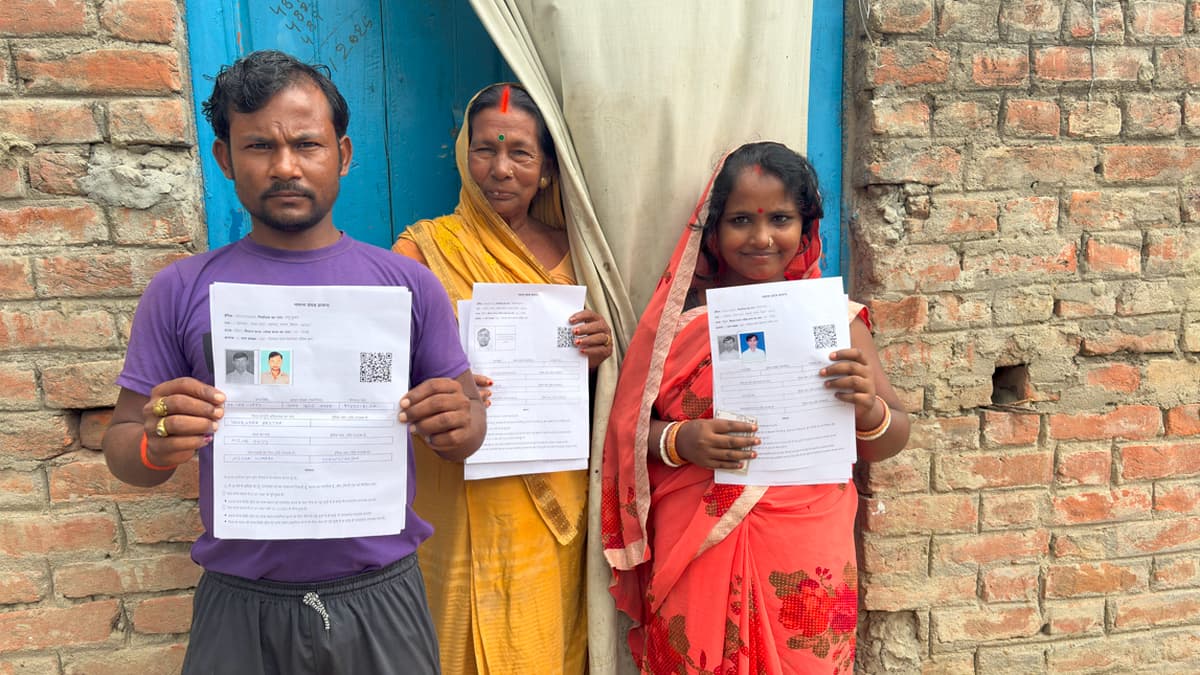
After a two-day conference of Chief Electoral Officers in New Delhi, the Election Commission is set to announce the schedule for a pan-India rollout of the Special Intensive Revision of electoral rolls. The first phase will focus on States heading for Assembly polls in 2026, with a second phase accommodating regions facing local body elections and harsh winter conditions.
What the Commission has decided—and what remains pending
Sources indicated that while the EC addressed general queries and presented the SIR framework, it did not announce operational specifics at the CEOs’ meet. The final schedule will be communicated after internal deliberations by the full Commission. Officials from all States and Union Territories briefed the EC on manpower deployment, IT system readiness, district-level logistics, and grievance redress pipelines for the revision window.
Why a Special Intensive Revision now
SIRs are periodic, time-bound drives to clean and update the rolls beyond routine continuous updation. The first-phase focus on Assam, Tamil Nadu, Puducherry, Kerala, and West Bengal aligns with Assembly cycles due in 2026, ensuring that additions, deletions, corrections, and address migrations are completed with adequate verification well ahead of notification of polls. States with local body elections or extreme winter conditions will be sequenced to avoid administrative clashes and weather-related field constraints.
Likely contours of the two-phase rollout
-
Phase 1 (election-bound bloc): Assam, Tamil Nadu, Puducherry, Kerala, West Bengal and other States/UTs to make up “more than 10” jurisdictions in the opening tranche.
-
Phase 2 (weather/local body considerations): States anticipating severe winter conditions and those slated for municipal or panchayat polls to follow, allowing door-to-door verification and hearings to proceed without disruption.
What SIR means on the ground
-
Door-to-door verification: Booth Level Officers (BLOs) typically conduct household verification of entries, with special scrutiny of duplicate, shifted, and deceased voters.
-
Targeted hearings: Objections and claims are heard at the designated level to ensure due process, especially for Form 7 (objections to inclusion).
-
Data hygiene: De-duplication across adjoining polling parts and urban clusters; verification of large “family units” and high-mobility addresses; and audit trails for bulk submissions.
-
Technology enablement: Use of online portals and facilitation centres to file Form 6 (enrolment), Form 7 (objection to inclusion), and Form 8 (correction/transposition) during the notified window.
Administrative checkpoints highlighted by CEOs
-
Manpower & training: Rapid orientation for BLOs on documentation standards and speaking orders, especially for rejections.
-
IT systems & logs: Server capacity for peak traffic; improved dashboards for district election officers; better anomaly flags for mass filings.
-
Grievance redress: Clear escalation ladders for applicants; predictable turnaround times for claims/objections; proactive SMS/email updates.
-
Inclusion safeguards: Focus on first-time voters turning 18, internal migrants, women who have changed residence, and senior citizens needing home-visit facilitation.
States in the first tranche: election-readiness lens
-
Assam: Significant intra-State movement and boundary-related sensitivities call for meticulous verification to avoid wrongful deletions or missed inclusions.
-
Tamil Nadu & Kerala: High urbanisation and apartment clusters require robust duplicate-entry checks and address transpositions.
-
West Bengal: Dense urban belts and migratory labour corridors increase the load on BLOs and hearing officers.
-
Puducherry: Smaller scale allows faster coverage but demands granular verification to maintain parity with surrounding districts.
Risks and mitigations
-
Winter constraints: Field work in hilly and northern regions in Phase 2 demands flexible calendars and additional hearing days.
-
Bulk/forged filings risk: Strengthened KYC for mass submissions, IP logging, and rate-limiters are expected to be emphasised.
-
Backlog management: Clear daily disposal targets and real-time monitoring to prevent spillovers beyond the SIR window.
What voters should do when the window opens
-
New enrolment (Form 6): Citizens turning 18 by the qualifying date should keep age and address proofs ready.
-
Objections and corrections (Forms 7 & 8): Residents noticing deceased or shifted entries on their rolls can file objections; individuals should correct names, addresses, or age errors promptly.
-
Track status: Use notified online tools or facilitation centres; maintain copies of acknowledgments and attend hearings if called.
The road ahead
The EC is expected to announce exact dates and standard operating procedures shortly. District-level calendars will specify reference dates, last dates for claims/objections, special camp days, and hearing schedules. The emphasis, officials said, is on accuracy, due process, and timely completion so that election-bound States enter 2026 with updated, high-fidelity rolls.
Credits: Reporting base drawn from The Hindu.