

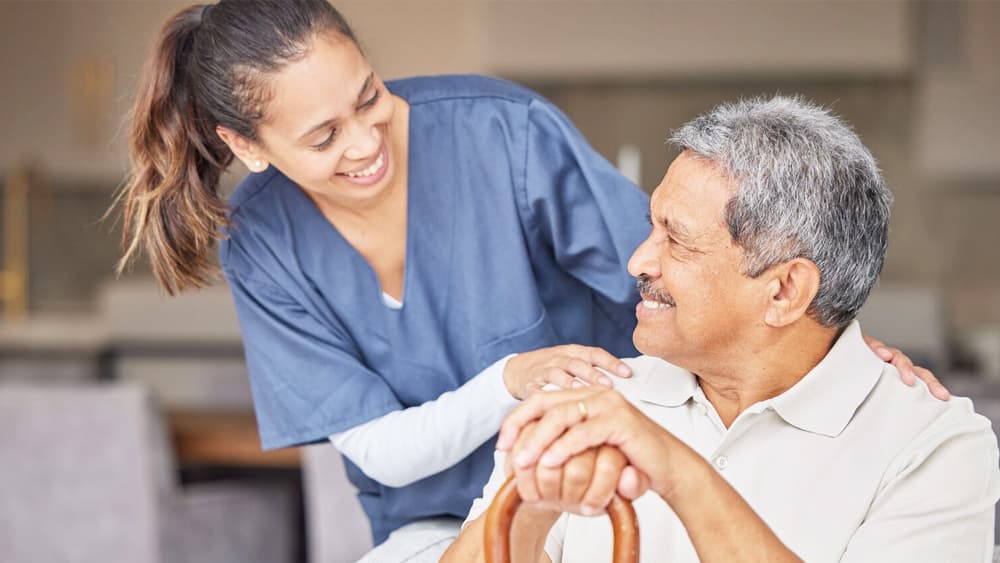
By asking the Centre to account for the 2017 palliative care guidelines, the Supreme Court has reopened a crucial policy file: how India relieves pain and supports dignity for millions with terminal or chronic illness. The pieces exist—guidelines, legal clarity, state models—but national coverage remains patchy. Here’s what’s been done, what works, and what must scale now.
What is palliative care (and why it matters)
Palliative care is team-based medical support that focuses on relief from pain, breathlessness, nausea, anxiety, and caregiver stress—alongside curative or disease-modifying treatment. It aims for quality of life, dignity, and informed choices at any stage of serious illness, not only the final days.
What India has already done
1) National guidance & programmes
-
MoHFW 2017 Guidelines: Integrate palliative care into the public system via state palliative care cells and district teams, link with NCD, cancer, TB, geriatrics and mental health programmes, and include home-based services and opioid availability.
-
National Programme for Palliative Care (NPPC): Envisages training, district units, and IEC; implemented unevenly but provides a policy scaffold.
-
Ayushman Bharat–HWCs: Scope to deliver basic palliative and home-care services; some states have begun protocols and referrals.
2) Legal & regulatory enablers
-
NDPS Act reform (2014) simplified licensing for medical opioids (e.g., morphine) to improve pain control—still underused but legally enabled.
-
End-of-life decision framework: In Common Cause (2018), the Supreme Court recognised advance directives and withholding/withdrawing life support under safeguards; later orders simplified procedures—palliative teams can help operationalise this ethically.
3) Training & standards
-
MBBS competency-based curriculum includes palliative competencies; nursing and MD courses increasingly add rotations.
-
IAPC (Indian Association of Palliative Care) curricula, ECHO telementoring, and centre-of-excellence models have trained thousands of providers.
4) State models to learn from
-
Kerala: Community-embedded palliative care (local government financing, volunteers, home visits, opioid access) integrated with primary care—India’s most mature ecosystem.
-
Maharashtra, Karnataka, Tamil Nadu, Delhi (select facilities): Cancer-linked palliative units, home-care pilots, and hospital support teams.
Where the gaps remain
-
Coverage: Services concentrate in metros/cancer centres; rural districts lack district palliative teams, home-care, and 24×7 helplines.
-
Workforce: Too few trained doctors, nurses, counsellors, social workers; limited supervision and career pathways.
-
Opioid access: Regulatory fear, supply-chain glitches, and prescriber hesitancy keep morphine availability low in many districts.
-
Financing: Fragmented; limited reimbursement for home-based care, counselling, caregiver support, and bereavement services.
-
Data & accountability: Palliative indicators aren’t consistently tracked on HMIS; quality varies widely.
-
End-of-life pathways: Many hospitals still lack ethics committees, SOPs for advance directives, and goals-of-care conversations.
What more can be done (a practical roadmap)
A. Implement the 2017 blueprint, district by district
-
Notify State Palliative Care Cells and fund District Palliative Care Teams (doctor, nurse, counsellor, physiotherapist/social worker) linked to HWCs.
-
Create standard referral pathways from oncology, cardiology, nephrology, neurology, geriatrics, and ICU to palliative services.
B. Make pain relief non-negotiable
-
Designate Recognised Medical Institutions (RMIs) in every district for opioid stock and audit availability + prescriptions monthly.
-
Mandatory pain scoring in OPDs/wards; prescriber training + legal comfort notes to reduce NDPS-related hesitancy.
C. Pay for what matters
-
Under PM-JAY/state schemes, introduce palliative home-care packages (initial assessment, follow-ups, emergency visit, tele-support), hospice/respite days, and caregiver counselling.
-
Performance-linked grants to districts for coverage, pain control rates, and home-death where preferred.
D. Build people and skills
-
Protected posts and increments for trained palliative staff; integrate modules in nursing & allied health; fund short courses for primary-care doctors.
-
Set up regional training hubs (hub-and-spoke tele-mentoring) to supervise district teams.
E. Normalise end-of-life choices
-
Hospital ethics committees and advance-care-planning clinics; simple AD templates in regional languages; routine “goals-of-care” discussions for advanced disease.
-
Bereavement follow-up calls and grief counselling as standard.
F. Measure and publish
-
Add to HMIS: percentage screened for pain, morphine stock-out days, home-care visits/patient-month, place-of-death vs preference, caregiver satisfaction.
-
Annual state scorecards—transparency drives improvement.
G. Community partnerships
-
Fund NGO–district partnerships for volunteer networks, transport, assistive devices, and last-mile support—Kerala’s model scaled sensibly.
The opportunity
India treats world-class cancer and cardiac disease—but too many still die in pain or with avoidable distress. The Court’s push can turn guidance into a guaranteed service: pain relief as a right; palliative care as a standard, not a luxury. A district-first rollout, opioid assurance, financed home-care, and clear end-of-life pathways would change millions of lives with modest budgets and high moral return.
Source: The Hindu