

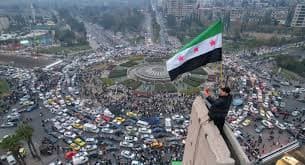
Syria conducted its first parliamentary elections on 6 October, marking a key step in the post-Assad transition nearly a year after rebels ousted the former regime. The polls, held under interim President Ahmed al-Sharaa, aim to pave the way for a new constitution and broader political reforms.
The Story
Polling took place across Damascus and government-controlled regions under tight security, with armed patrols stationed near voting centers. The elections will fill 210 seats in the People’s Assembly, responsible for drafting a new elections law and constitution.
Two-thirds of seats were contested through province-based electoral colleges, while the remaining one-third will be appointed directly by President al-Sharaa. Each college member voted by filling a paper ballot inside a sealed box, later opened publicly before journalists, candidates, and observers from the Syrian Bar Association.
Voting was suspended in Sweida province and Kurdish-held regions in the north and east due to security tensions and political disagreements with Damascus.
“The country is entering a stage of reconstruction and reconciliation,” said interim President al-Sharaa, visiting the National Library Center in Damascus. “There are many pending laws that must be approved for Syria’s rebuilding and prosperity.”
Why It Matters
The election signals Syria’s first attempt to rebuild political institutions since Assad’s removal after years of war. It tests whether the transitional leadership can bridge deep divisions between rebel-controlled and Kurdish-held areas, while restoring public trust in state institutions fractured by conflict.
Background / Context
• Bashar al-Assad ruled Syria from 2000 until his ouster by a coalition of rebel forces in 2024 after a protracted civil war that killed over half a million people.
• The interim government led by Ahmed al-Sharaa was formed under a UN-brokered peace process backed by regional mediators.
• The 210-member People’s Assembly will serve a 30-month term, drafting a new constitution ahead of direct national elections.
• Elections were monitored by local observers but not by international agencies, reflecting ongoing diplomatic caution.
Implications
Analysts see the election as both symbolic and precarious: symbolic for restoring governance after decades of autocracy, but precarious due to unresolved territorial control, fragile ceasefires, and the absence of nationwide participation. Success will depend on whether al-Sharaa’s administration can deliver legal and security stability before direct voting.
Conclusion
While limited in scope, Syria’s first post-Assad elections mark a tentative step toward state rebuilding after years of war. The coming months will reveal if the interim leadership can transform this controlled process into a credible democratic roadmap.