

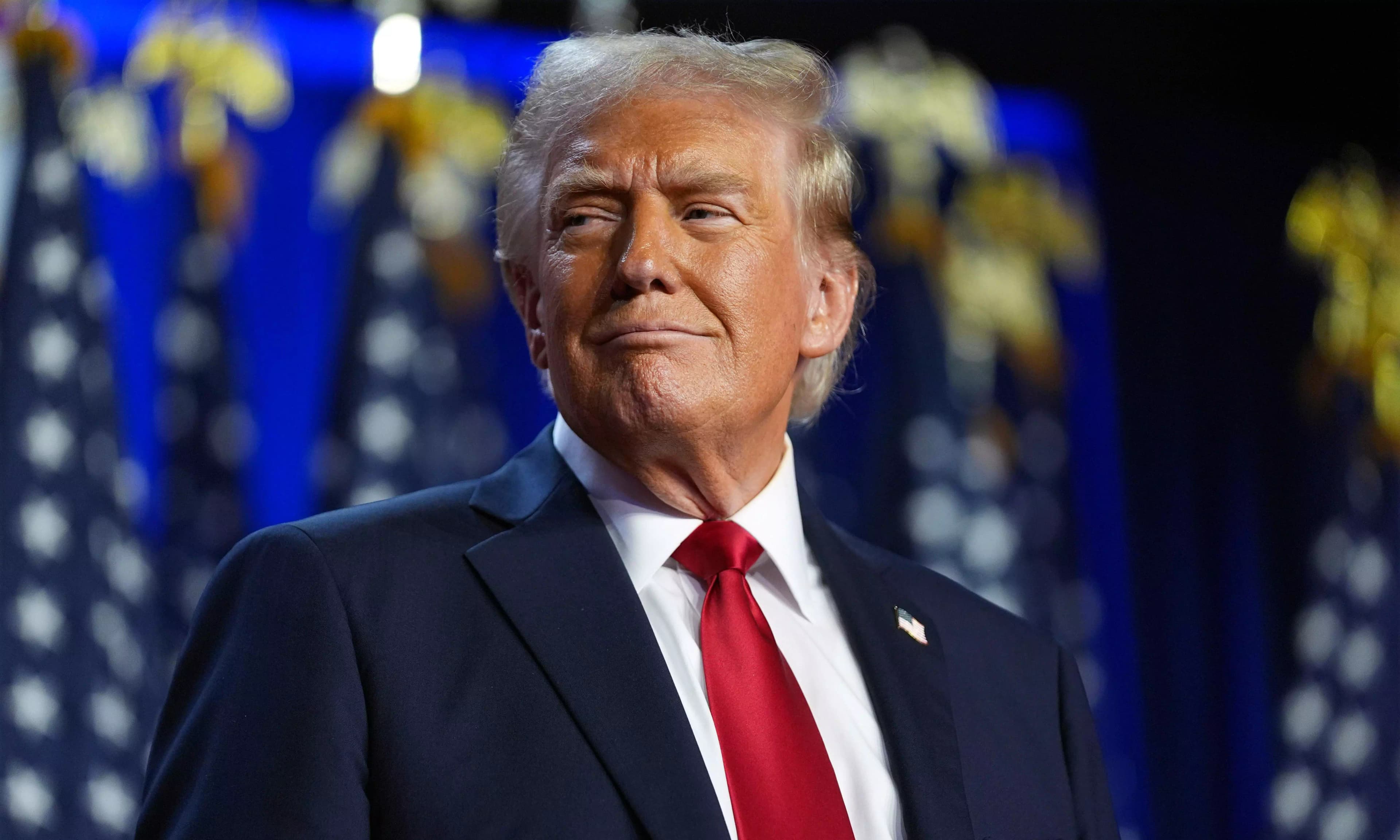
On 11 October 2025 in New Delhi, US Ambassador-designate and special envoy Sergio Gor met Prime Minister Narendra Modi, External Affairs Minister S. Jaishankar, NSA Ajit Doval, and Foreign Secretary Vikram Misri. The agenda spanned defence, trade, technology, and critical minerals. The visit comes after months of tension from a 50% tariff regime on many Indian exports and a tighter H-1B environment that has rattled talent flows. A possible Modi–Trump meeting at the ASEAN summits in Kuala Lumpur on 26–27 October has raised expectations of a thaw.
The Story
Sergio Gor’s arrival in Delhi from 9–14 October follows his Senate confirmation and marks the most intense round of US outreach to India since tariffs escalated in late August. Gor and Modi discussed trade, defence, technology, and the role of critical minerals in supply chain security. Meetings with Jaishankar and Doval underscored strategic convergence in the Indo-Pacific, even as both sides navigated disputes on tariffs, visas, and Russia-related energy purchases.
This year’s turbulence began early. On 2 April, Washington issued a reciprocal tariffs order. On 31 July, a follow-on action modified schedules again. By 27 August, many Indian exports faced an effective tariff burden of up to 50 percent. Labour-intensive sectors such as textiles, gems and jewellery, and seafood were among the hardest hit. New Delhi kept channels open, while warning of supply chain costs and job risks.
Immigration added a second front. In September, the US moved to require a substantial payment with new H-1B petitions filed from abroad and flagged further restrictions. Indian IT and start-ups warned of higher costs and project delays. US tech companies cautioned that tighter rules could constrain access to global skills.
Energy was the third pressure point. Through August and September, traders reported shifting differentials for Russia’s Urals crude, with discounts narrowing, then widening into October. Indian refiners adjusted purchases in line with price signals, even as Washington pressed partners to limit revenue flows to Moscow.
Yet 2025 was not only friction. In February, the leaders launched a Strategic Mineral Recovery initiative to cooperate on lithium, cobalt, and rare earths across exploration, processing, and recycling. In mid-year, the Quad pledged deeper work on critical mineral supply chains. In August, US and Indian labs advanced rare earth research tie-ups under a bilateral technology initiative, signalling that both sides see techno-industrial integration as a long-term hedge against shocks.
Against this backdrop, the India–Pakistan crisis in May introduced a layer of crisis management. New Delhi described limited aims and targeted operations. Great-power diplomacy intensified to contain escalation. Analysts argued that careful signalling kept the window open for conventional operations while preventing spillover, a lesson Washington studied closely.
By October, diplomatic signalling sharpened. Gor publicly lauded Modi’s leadership and Indian readouts echoed optimism about strengthening the Comprehensive Global Strategic Partnership. With ASEAN leaders meeting in Kuala Lumpur on 26–27 October, both capitals framed Gor’s mission as groundwork for a trade understanding and a possible leaders’ huddle.
Why It Matters
1) Jobs, wages, and export resilience in India
Higher US tariffs fall heaviest on labour-intensive exports. That matters in districts where small and medium firms anchor employment. Apparel clusters in Tiruppur and Surat face thinner margins. Jewellery units in Gujarat and Maharashtra may confront cancelled orders or price renegotiations. A prolonged tariff wall could force a pivot to product upgrading, brand building, and new markets in the Gulf, Africa, and Europe. If achieved, that raises value added per worker, but the transition risks short-term layoffs.
2) Mobility and the innovation pipeline
Tighter H-1B rules increase the cost of hiring Indian professionals in the US. The immediate effect is project delays and staffing gaps in consulting and cloud services. The medium-term response is likely to be near-shoring to Canada, Mexico, and parts of Europe, as well as remote delivery from India. This can protect revenue but may slow on-site R&D collaboration. Any targeted exemptions for joint research labs, semiconductors, or clean tech would preserve the innovation pipeline while addressing domestic political concerns in the US.
3) Price stability and energy security
India’s energy strategy balances affordability, security, and diplomacy. Opportunistic Urals purchases helped manage inflation and the current account. If discounts widen, refiners will buy more unless sanctions risk rises. US pressure will likely seek volume caps or greater transparency rather than a blanket prohibition. The strategic compromise would pair diversified sourcing and transparent reporting with cooperation on India’s strategic petroleum reserves and clean energy supply chains.
4) Technology, minerals, and the non-China hedge
Both sides view critical minerals as the connective tissue of a longer-term partnership. Joint mineral recovery from industrial waste, allied-source procurement, and processing investments in India can reduce single-point dependency. Stable offtake contracts and common standards would unlock financing. Credibility will depend on environmental safeguards, community consent, and permitting timelines.
5) Indo-Pacific balance and crisis playbooks
Crisis management during the May flare-up reinforced the value of hotlines, clear red lines, and proportional responses. For Washington, a stable India with credible deterrence anchors the non-China side of Asian security. For Delhi, better access to technology and intelligence, and deeper exercises, increase crisis stability. Institutionalising tabletop drills on escalation ladders would translate case-specific learning into standing practice.
6) ASEAN as a forcing mechanism
The Kuala Lumpur summits compress timelines. Even a modest package of deliverables would signal momentum. Possibilities include a tariff standstill with a review clause, a minerals side letter with pilot projects, and a narrow visa carve-out for joint labs. A photo opportunity without substance would harden critics in both capitals and prolong uncertainty for firms.
7) The politics of perception
Ties are shaped not only by tariffs or statements, but by how each side reads the other’s intent. Public praise, multilingual outreach, and business-friendly signals rebuild trust. Mixed messages on visas or sanctions erode it. Clear, verifiable steps will weigh more than rhetoric in the months ahead.
Background / Context
Tariffs timeline, 2025
• 2 April: US announces reciprocal tariff framework.
• 31 July: Schedules modified across categories.
• 27 August: Effective burden on many Indian goods rises to as much as 50 percent.
Visas and mobility
• September: New high payment for H-1B petitions filed abroad, with tighter conditions signalled.
• October: Industry reports highlight staffing delays and cost spikes.
Energy and Russia
• August–October: Urals discounts fluctuate, shaping India’s buying calculus. Price gaps narrow in late summer, widen into October.
Tech and minerals cooperation
• 8 February: Strategic Mineral Recovery initiative announced.
• Mid-year: Quad communique emphasises minerals supply chain resilience.
• August: Rare earth research partnerships deepen under a bilateral tech initiative.
Security context
• 7–10 May: Operation Sindoor and rapid crisis containment. Assessments stress limited aims and controlled escalation.
October diplomacy
• 9–14 October: Gor’s Delhi visit and senior-level meetings.
• 26–27 October: ASEAN summits in Kuala Lumpur, possible leaders’ interaction.
Implications
Trade and supply chains
The tariff wall is already re-pricing Indian goods in the US market. Expect partial diversion to third markets and a push for higher value addition at home. The US risks pass-through costs in consumer segments. A staged rollback tied to market-access benchmarks is the most workable off-ramp.
Talent mobility and innovation
Higher costs for cross-border deployment will accelerate near-shoring and remote delivery. Targeted exemptions for strategic R&D would protect innovation while addressing domestic pressures.
Energy pragmatism
Refiners will follow economics within sanctions limits. A transparency-plus-diversification deal can align US objectives with India’s inflation and current account priorities.
Critical minerals as glue
Of f take agreements, recycling pilots, and shared standards can make minerals the positive-sum core of the relationship. Financing and environmental safeguards remain gating factors.
Crisis management and trust
Structured hotlines, data sharing, and escalation drills will convert ad hoc coordination into durable crisis playbooks.
ASEAN window
Even modest deliverables in Kuala Lumpur can change sentiment materially. Delay extends uncertainty for exporters, students, and investors.
Conclusion
2025 pulled India–US ties between strategic convergence and economic contention. Gor’s high-intensity Delhi swing suggests both capitals want a controlled landing before ASEAN. A narrow trade truce, visa relief for strategic sectors, and visible minerals cooperation are the quickest levers to turn a tense year into a platform for 2026.
Credits / Sources
Government readouts and briefings from the Prime Minister’s Office and Ministry of External Affairs; statements by the US Embassy in India and the US Department of State; coverage and analysis by PTI and Reuters; industry notes on H-1B policy changes; energy market assessments on Urals crude differentials; Quad statements on critical minerals; think-tank commentary on crisis management and escalation dynamics.