

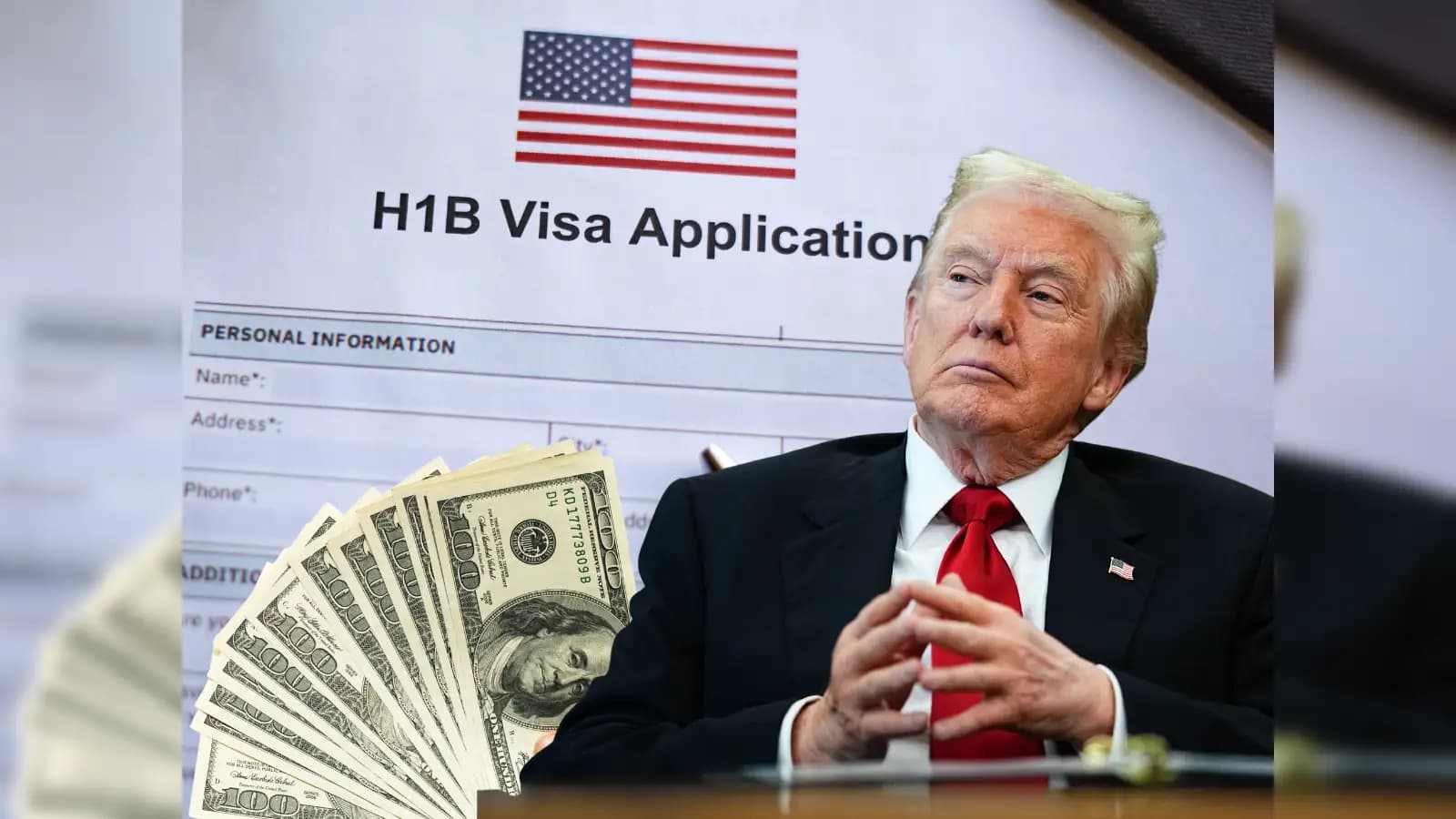
Starting December 15, the U.S. State Department has expanded “enhanced screening and vetting” to include a mandatory review of the online presence of H-1B applicants and their H-4 dependents. In practical terms, this elevates social media and broader digital footprints from an informal risk signal to an explicit checkpoint in visa adjudication—one that can slow timelines and intensify documentation expectations for applicants and employers alike.
What’s in the news
Policy expansion to H-1B and H-4
The online-presence review requirement, already used for certain student and exchange visitor categories, has been extended to H-1B and dependent H-4 applicants.
Privacy settings instruction
Applicants covered under the review are instructed to keep social media profiles set to “public” to facilitate vetting.
Immediate operational impact
Reports indicate appointment disruptions and rescheduling at some consular locations, reflecting the additional time and capacity burden created by expanded checks.
Background and context
From paperwork scrutiny to digital scrutiny
Modern visa screening is no longer confined to forms, documents, and in-person interviews. It increasingly includes digital corroboration: identity consistency, affiliations, activity patterns, and signals that an officer may treat as risk markers. This move formalises that shift for one of the most used work-visa categories.
Why H-1B and H-4 matter to India
H-1B is a key work pathway for skilled professionals, and H-4 directly affects family unity and dependents’ ability to travel and plan. Even modest processing delays can disrupt job start dates, project cycles, travel commitments, and family logistics—especially when stamping is required outside the U.S.
Key provisions
Online presence review becomes mandatory at the consular stage
The policy expands a standardised “online presence review” to cover H-1B principal applicants and H-4 dependents, in addition to visa categories already under similar checks.
Social media profiles to be kept public for review
Applicants are instructed to adjust privacy settings on social media profiles to “public,” enabling consular officers to view content without requesting access.
Visa screening framed as discretionary
The department’s messaging reiterates a long-standing stance: a U.S. visa is treated as a privilege, and officials may use all available information while screening applications.
Why it matters
Predictability and planning risk rises
For genuine applicants, the biggest immediate change is uncertainty. When screening expands, queues lengthen, appointment capacities tighten, and “administrative processing” risks increase—creating planning stress even for compliant, well-documented cases.
Digital footprints become part of “credibility” assessment
This is not only about security threats. In practice, online presence is often used to test internal consistency: employment claims, educational background, location history, affiliations, and contradictions that can trigger deeper questioning.
Wider signal in immigration policy direction
The move fits a broader global trend: states are building “data-led borders,” where pre-travel and pre-visa filters do more of the risk sorting. It reduces reliance on a single interview moment and expands scrutiny to what applicants have left behind online.
Arguments for and against
Arguments supporting the move
National security and public safety rationale
Supporters argue that online presence checks can surface red flags missed in paperwork-only screening and can help identify misrepresentation or high-risk affiliations.
Uniformity across visa categories
Extending a similar standard to work visas aligns procedures across major nonimmigrant categories, limiting “soft spots” in the system.
Arguments criticising the move
Privacy and chilling effect
Critics argue that forcing profiles “public” intrudes into private life and can chill lawful speech, especially when context is easy to misread.
Subjectivity and inconsistent interpretation
Digital content is messy—humour, sarcasm, old posts, third-party tags, and political commentary can be misinterpreted, creating room for uneven outcomes across posts and officers.
Operational bottlenecks
Expanded checks can reduce appointment throughput and delay processing, harming employers and applicants without necessarily improving decision quality proportionately.
Constitutional and legal angle
Consular discretion and limited transparency
U.S. visa decisions at consulates are heavily discretionary, and applicants often receive limited detail on the precise basis of refusal or delay. Expanded digital vetting can widen that discretion further, because interpretation of online content is rarely “black and white.”
Speech, association, and risk scoring
Even when speech is lawful, governments may treat certain patterns as indicators for deeper review. This creates a grey zone where protected expression and perceived “risk” can collide—especially in geopolitically polarised times.
Implications and way forward
For applicants
Keep identity and documentation aligned
Ensure that your application narrative (education, employer role, timeline, locations) matches what is visible online, including professional platforms and public-facing profiles.
Audit your public footprint calmly
Look for impersonation, duplicate profiles, old public posts that can be misconstrued, and inconsistencies in dates or affiliations. The goal is not to “manufacture perfection,” but to remove avoidable confusion.
Avoid last-minute digital clean-ups that look suspicious
Mass deletions, abrupt profile wipes, or sudden extreme changes can themselves appear unusual. A steady, truthful, consistent presence is typically safer than cosmetic panic edits.
For employers and HR teams
Plan for consular variability
Project staffing and onboarding assumptions should include a buffer for visa stamping delays, especially for employees travelling to India for stamping or renewals.
Strengthen support letters and role clarity
When scrutiny rises, vague job descriptions and inconsistent pay-role mapping can become friction points. Crisp documentation reduces scope for doubt.