

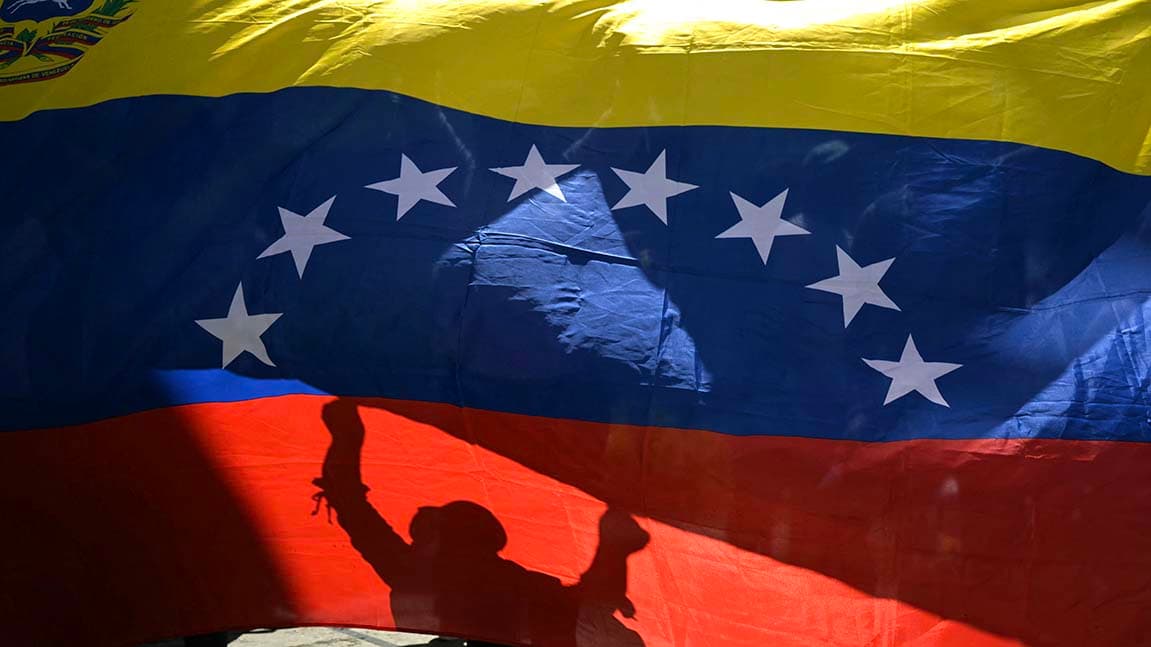
Venezuela has surged forces to the Colombian border while the U.S. expands lethal maritime strikes in the Caribbean. This isn’t just gunboat diplomacy; it’s a contest over strategic geography—coastlines, chokepoints, and an energy system anchored by Orinoco crude and Caribbean sea lanes.
What just happened
-
Escalation at sea: Since early September, the U.S. has conducted six strikes on vessels it alleges were drug-smuggling craft, with at least 27–28 fatalities and, in the latest incident, survivors taken into custody. The legality of these killings is under growing scrutiny.
-
Troops on the border: Caracas launched nationwide drills and deployed 17,000 troops in Táchira, the critical corridor to Colombia, while reinforcing Amazonas and multiple coastal districts.
-
Command shake-up: In a surprise move amid the buildup, Admiral Alvin Holsey—the U.S. four-star overseeing Latin America operations—announced an early retirement, sharpening questions about strategy and internal dissent.
Why this theatre matters (the geography play)
-
A long northern coastline: Venezuela’s ~2,800 km Caribbean frontage gives it rare reach across island arcs and main shipping routes, including access to deep-water approaches and offshore resource zones.
-
Orinoco Basin = energy gravity: The Orinoco Oil Belt holds some of the world’s largest extra-heavy crude reserves—an enduring pillar of Venezuela’s geoeconomic leverage despite sanctions and capacity collapse.
-
Sea lanes and chokepoints: The Caribbean Sea is a transit bridge between the Atlantic and Panama Canal; disruptions reverberate through U.S.–Latin America trade, refined products, LNG flows, and container networks.
-
Forward operating geometry: U.S. force packages (surface combatants, maritime patrol, and expeditionary elements) can range across the Venezuelan, Colombian, Grenada and Cayman basins, projecting pressure at short notice.
-
Border complexity: Táchira and Amazonas are porous frontiers linking contraband, migrant routes, and armed groups—terrain where state power is contested and signaling via troop movements has outsized political effects.
The economics underneath the saber-rattling
-
Energy footprint: Hydrocarbons still anchor Venezuela’s export base and fiscal hopes; oil and gas historically make up ~90% of exports, tying regime survival to control over fields, ports, and shipping.
-
Caribbean demand engine: Tourism and U.S.-linked trade keep the Caribbean’s per-capita trade volumes high, which amplifies the economic cost of instability in shipping lanes and port calls.
-
Canal dependency: With ~$270B in annual cargo transiting Panama, any wider confrontation that chills maritime insurance or convoy routing pushes up freight costs, rippling into fuel, food, and manufactured-goods prices in the hemisphere.
-
Resource stack: Beyond oil, Venezuela’s gas, iron ore, and bauxite reinforce long-term industrial relevance—if governance and market access return. That prospect is precisely what geopolitical pressure seeks to shape.
Law, legitimacy, and the “drug war at sea”
-
Use of force standard: Even if targets are genuine traffickers, summary lethal strikes in international waters without transparent process face substantial legal challenge, especially when survivability and custody issues arise (POW vs. criminal defendants).
-
Proof and process: Washington has not disclosed public evidence for individual strikes; regional leaders—including Colombia’s president—are calling for accountability as reports of non-Venezuelan deaths mount.
-
Escalation ladder: Talk of “expanding from sea to land” moves the confrontation from interdiction to potential territorial operations—a threshold with far higher legal and political costs.
Caracas’s calculus
-
Deterrence by massing: The Táchira show-of-force at bridgeheads to Colombia is both defensive posture and political theatre, designed to raise the costs of any cross-border incursion and rally domestic support.
-
Narrative control: By framing U.S. actions as regime-change warfare, the government seeks hemispheric sympathy and splits in regional consensus—especially among Caribbean states reliant on fuel and trade links.
-
Urban drills: Exercises in dense settlements serve dual ends: messaging internal control and rehearsing for asymmetric urban defense should conflict escalate.
Washington’s balancing act
-
Strategic aim vs. legal risk: Maritime strikes offer quick “wins” but accrue legitimacy debt; any move ashore would multiply exposure—politically, legally, and logistically.
-
Command churn: The early exit of a regional commander in crisis messaging windows is rare and will be parsed by allies and adversaries alike for signs of policy friction.
-
Alliance optics: The U.S. needs Caribbean and Latin partners to keep port access, overflight, and intel sharing. Legal ambiguity undermines that coalition over time.
What to watch next (editor’s radar)
-
Rules-of-engagement clarity: Does the Pentagon publish criteria or evidence post-strike? Are survivors transferred to DOJ custody or handled under law-of-war authorities?
-
Maritime insurance & routing: Shifts in premiums or avoidance of specific basins are early indicators of economic spillover into trade and tourism.
-
Border incidents: Any firefight or arrest near the Táchira bridges risks rapid escalation and Colombian domestic blowback.
-
Energy logistics: Tanker calls at Venezuelan ports, floating storage patterns, and refined product shortages will show whether sanctions-era workarounds hold.
-
Command succession: Who replaces Holsey—and with what guidance—will signal if the U.S. leans toward containment or coercion.
Bottom line
This crisis is anchored less in ideology than in geography and economics. Venezuela’s oil-rich interior reaches the sea across a vast Caribbean frontage; the U.S. projects power across those same basins that feed hemispheric trade and the Panama Canal. Each strike, each battalion moved in Táchira, nudges the region up the escalation ladder—and risks taxing the very sea lanes and energy flows that keep the Caribbean economy alive. The prudent path forward is disciplined legality, coalition diplomacy, and maritime security that doesn’t bankrupt regional legitimacy.