

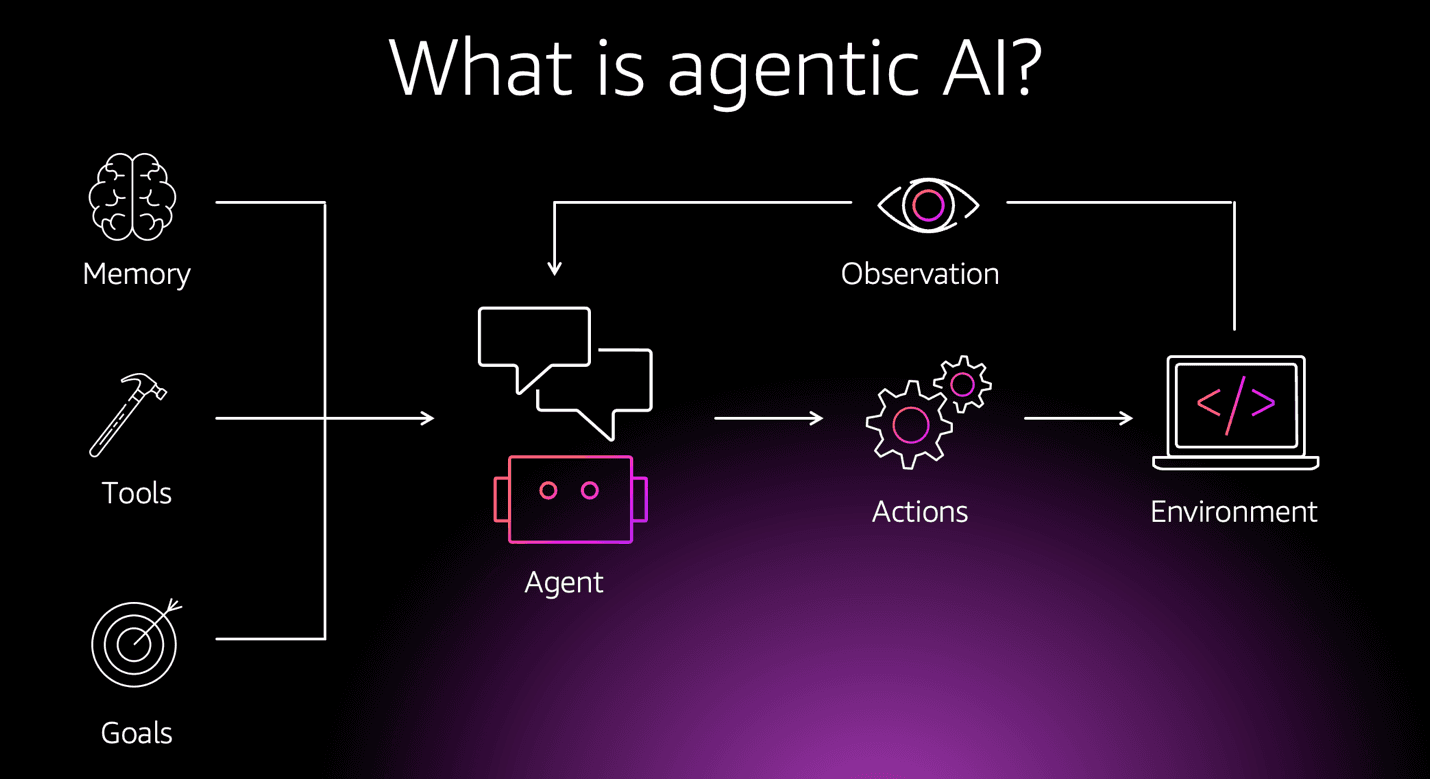
As India scales UPI, Aadhaar and the IndiaAI Mission, “agentic” systems—AI that can plan, decide and act—will quietly move from copilots to operators. That’s the productivity jackpot—and the liability sinkhole. The only winning play is to move just as fast on governance: risk tiers, sector rules, auditable autonomy, and real penalties.
First, what’s “agentic AI”?
It’s software that sets sub-goals, takes actions, and learns from outcomes, not just chats. Think: an AI that files tickets, moves money, enrolls beneficiaries, dispatches field staff, or opens firewall ports—on its own plan. The more autonomy, the higher the risk; recent research warns that risks rise with autonomy level, especially as users cede control.
Why India’s exposure is uniquely high (and why the upside is too)
-
Scale rails: UPI runs ~20 billion transactions/month; Aadhaar does ~221 crore authentications in a single month. Agents can slash friction across this stack—or amplify mistakes at national scale.
-
Policy momentum: The IndiaAI Mission (~₹10.3k cr) is building compute, datasets and skilling—fertile ground for agentic apps in banking, health, logistics, and governance.
-
Critical infrastructure: Finance, energy, telco, transport are designated CII—agentic missteps here are not “bugs”; they’re national-risk incidents.
The top risk clusters (with India-specific examples)
-
Autonomous finance ops
-
Agents initiating UPI/IMPS or reconciling at scale can misroute funds or be jailbroken to spray payments; DDPAs’ consent rules don’t stop an over-permissive agent acting on stale approvals.
-
-
Welfare & identity
-
Agents screening benefits on Aadhaar/DBT can quietly exclude citizens if prompts or rules drift; amplification is instant at crore-scale.
-
-
Enterprise IT & OT
-
“Fix-it” agents with shell access can change configs, disable logging, or open ports; one misaligned run is a breach-at-scale. CERT-In already mandates logging and incident reporting—agents mustn’t be a blind spot.
-
-
Content & fraud
-
Multi-agent swarms can run deepfake scams and real-time phishing, exploiting India’s massive digital surface (payments, eKYC, messaging).
-
-
Procurement & governance
-
If departments deploy agents without guardrails, you’ll see policy-noncompliant automation embedded into everyday file movement.
-
India’s baseline guardrails (good—but not enough)
-
DPDP Act 2023 gives consent, purpose-limits and penalties—but doesn’t yet define agentic accountability (who’s liable when the agent acts).
-
CERT-In directions (2022) require incident reporting, clock sync, log retention—foundational for auditing autonomous actions. Now extend them to agent action logs.
-
RBI’s SRO-FinTech push can host industry standards for agentic finance ops, testing and disclosures.
A practical blueprint: how India should govern agentic AI in 12 months
1) Risk-tier the use-cases (law + playbook)
-
Prohibited: Fully autonomous agents in CII with write privileges; self-replicating or goal-seeking agents in live prod (match global cautions).
-
High-risk (license): Money movement, identity/welfare decisions, health, law-&-order. Require pre-deployment audits, red-teaming, and a safety case signed by a responsible officer.
-
Low-risk (notify): Content drafting, back-office triage, sandboxed RPA under human release.
2) Make “auditable autonomy” the default
-
Action logs: Every tool call (APIs, DB writes, shell commands) recorded with hashes and time-sync (per CERT-In), kept separately from the agent.
-
Deterministic stops: Hard spend caps, whitelists, rate limits, and kill-switches for each tool the agent can touch.
-
Human-in-the-loop when stakes rise: Escalate to a human for irreversible actions (debits, identity denials, security changes).
3) Liability clarity (DPDP + sectoral rules)
-
Amend rules to name a “Responsible AI Officer” for any high-risk deployment; strict fines if agents act beyond approved scopes. Map this into RBI/IRDAI/SEBI circulars for finance/insurance/markets.
4) Red-team & certify
-
National Agentic Safety Test Suite: jailbreaks, tool-use abuse, prompt leakage, data exfiltration, reward-hacking.
-
Require periodic external audits for high-risk use; publish short model cards + system cards for transparency.
5) Provenance & traceability
-
Adopt content provenance (C2PA-style) for agent-generated documents and media; government and BFSI first. Watermark where feasible; always keep cryptographic trails.
6) Secure the DPI interfaces
-
UPI/Aadhaar‐facing agents must use scoped tokens, strong step-up auth, and per-action consent for sensitive operations. NPCI/UIDAI should publish agent-safe API profiles.
7) Talent & drills
-
Train government CISOs and PSB teams on agent abuse patterns; run table-top exercises simulating runaway agents in payments, identity, grid ops.
What Indian enterprises should do this quarter (copy-paste checklist)
-
Narrow the mandate: Give agents the least privilege; disable tools they don’t need.
-
Put humans on the release valve: No irreversible changes without a second factor/human sign-off.
-
Log like a bank: Independent logs, tamper-evident, time-synced; rehearse forensic replay.
-
Attack your own agent: Red-team for prompt-injection, tool abuse, and data exfiltration.
-
Fence your data: Synthetic or minimised data in training; apply DPDP’s purpose limitation and deletion duties.
-
Fail safe: Clear kill-switch; documented rollback.
-
Tell users the truth: Disclose that an agent may act; publish recourse and complaint routes.
Editorial bottom line
India’s bet on AI must be agent-aware. We already have the rails—DPDP, CERT-In, sector regulators, and a funded IndiaAI Mission. Now tighten them around autonomy: ban the worst risks, license the high-stakes, log every action, and name a human who is liable. Do this, and agentic AI turns from a liability into India’s biggest operational advantage—across banks, governance, and national security.