Neurotechnology and India: From Brain–Computer Interfaces to a New Strategic Frontier
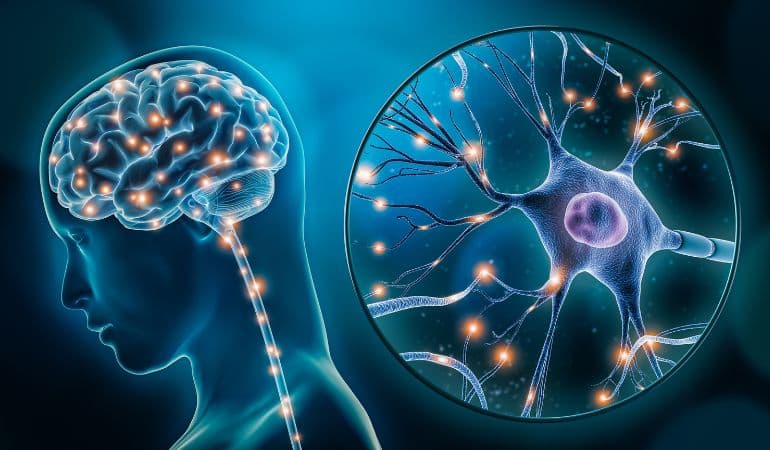
As brain–computer interfaces move from science fiction to clinical reality, India must harness neurotechnology for health, economic growth & ethical leadership.
News and features on scientific breakthroughs, technology trends, digital policy, and space exploration. Covering ISRO, innovation, and the future of science with clear context.
As brain–computer interfaces move from science fiction to clinical reality, India must harness neurotechnology for health, economic growth & ethical leadership.
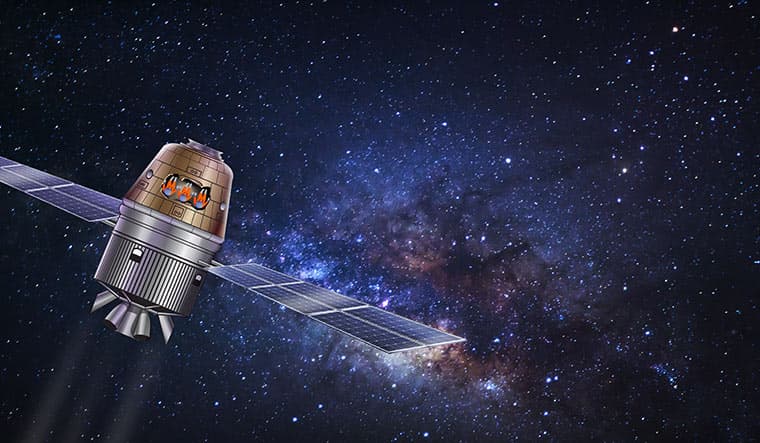
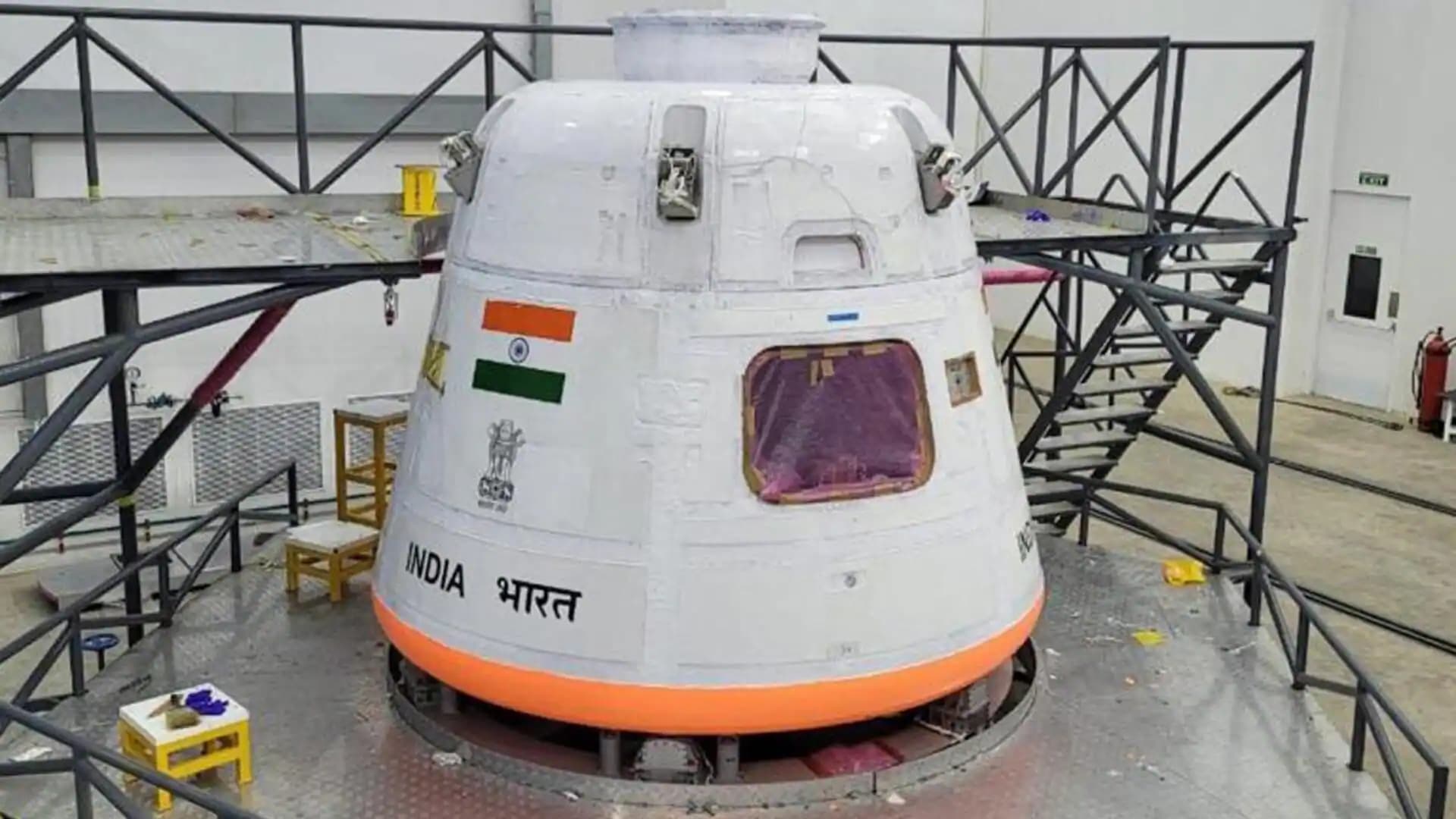
With three uncrewed flights—including Vyomitra—planned before a 2027 crewed launch, India’s stack enters the decisive test phase.
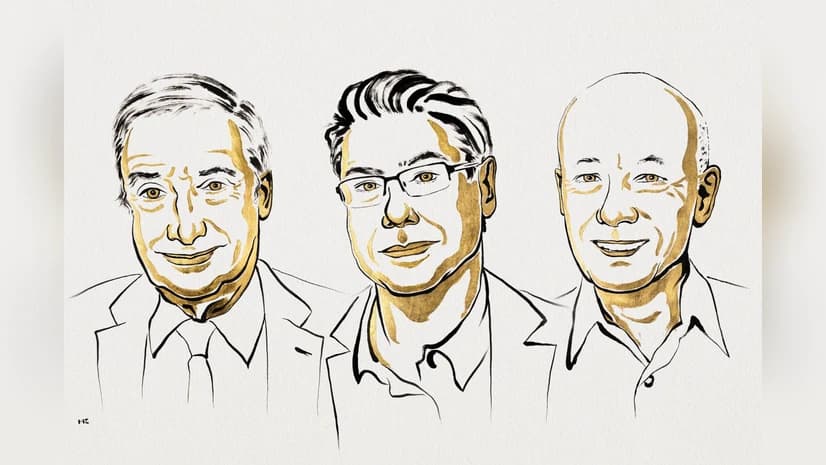
Nobel economics goes to Mokyr, Aghion & Howitt for explaining how innovation and “creative destruction” power long-run growth—and how to keep it going.
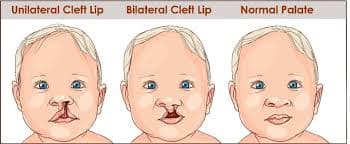
Cleft lip and palate are not cosmetic issues. India needs early detection, assured surgery, and long-term rehab as a routine public health service.
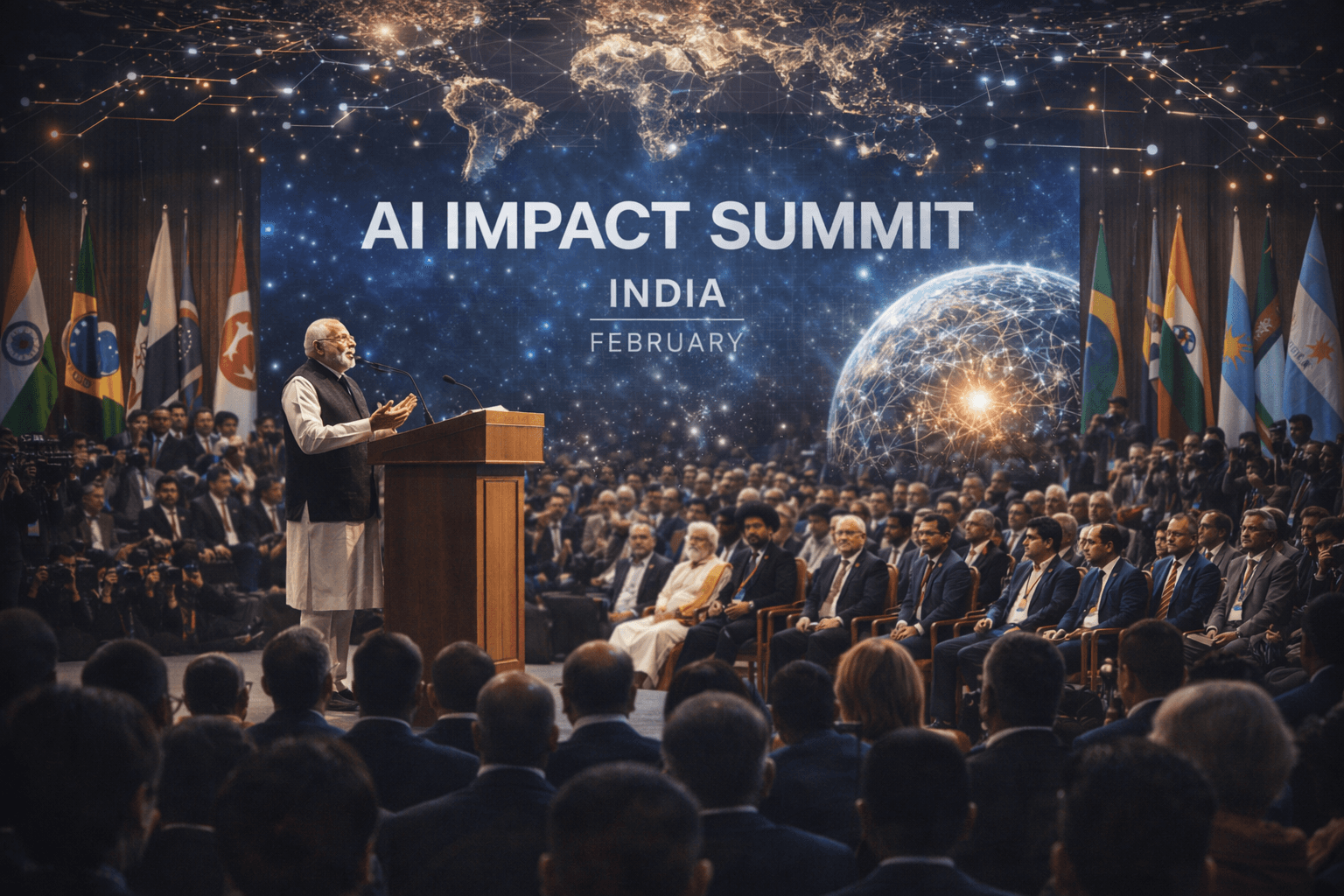
India will host a large AI Impact Summit in February with top leaders and tech CEOs; the big test is whether it delivers usable governance outcomes.
A Yonsei University analysis suggests the universe’s expansion may be slowing as dark energy weakens. Scientists disagree, and better data will decide.
China is drafting rules for emotionally interactive AI. India relies on IT Rules and sector norms, but needs product-safety duties& faster workforce upskilling.
DHRUV64 boosts India’s RISC-V processor pipeline, but key gaps on fabrication, benchmarks, and ecosystem readiness will decide real-world adoption.
New biotech lowers barriers to misuse of pathogens; India needs a unified biosecurity framework across labs, health, livestock and crops.
STRiDE data from seven clinics shows early gestational diabetes hits ~1 in 5 pregnancies and may signal higher later-life diabetes risk than later GDM.
PAGE 1 OF 2 • 30 TOTAL ARTICLES
Gaganyaan, human-rating is the hard, largely invisible work that converts LVM-3 from a reliable cargo launcher into a system designed to protect human life.
DPIIT’s working paper on AI copyright India backs mandatory licensing so AI training data use pays Indian creators without stalling innovation.
India’s Aditya-L1 observatory has revealed how a rare magnetic reconnection inside CMEs turned the May 2024 “Gannon’s storm” into an powerful solar event.
India Post’s DHRUVA framework aims to turn every Indian address into a secure, reusable digital handle, built on geo-coded DIGIPIN .
As brain–computer interfaces move from science fiction to clinical reality, India must harness neurotechnology for health, economic growth & ethical leadership.
SAP leaders say AI will reshape enterprise via single-entry interfaces, embedded workflows, and tight guardrails. Here’s the playbook for India Inc.
Survival from paediatric critical illness now exceeds 95% in many centres. The harder part begins after discharge: post-intensive-care syndrome in children.
Surgery is only one chapter.covering recovery timelines, reconstruction options, and mindset tool—to help women (and families) rebuild life after a mastectomy.
With three uncrewed flights—including Vyomitra—planned before a 2027 crewed launch, India’s stack enters the decisive test phase.
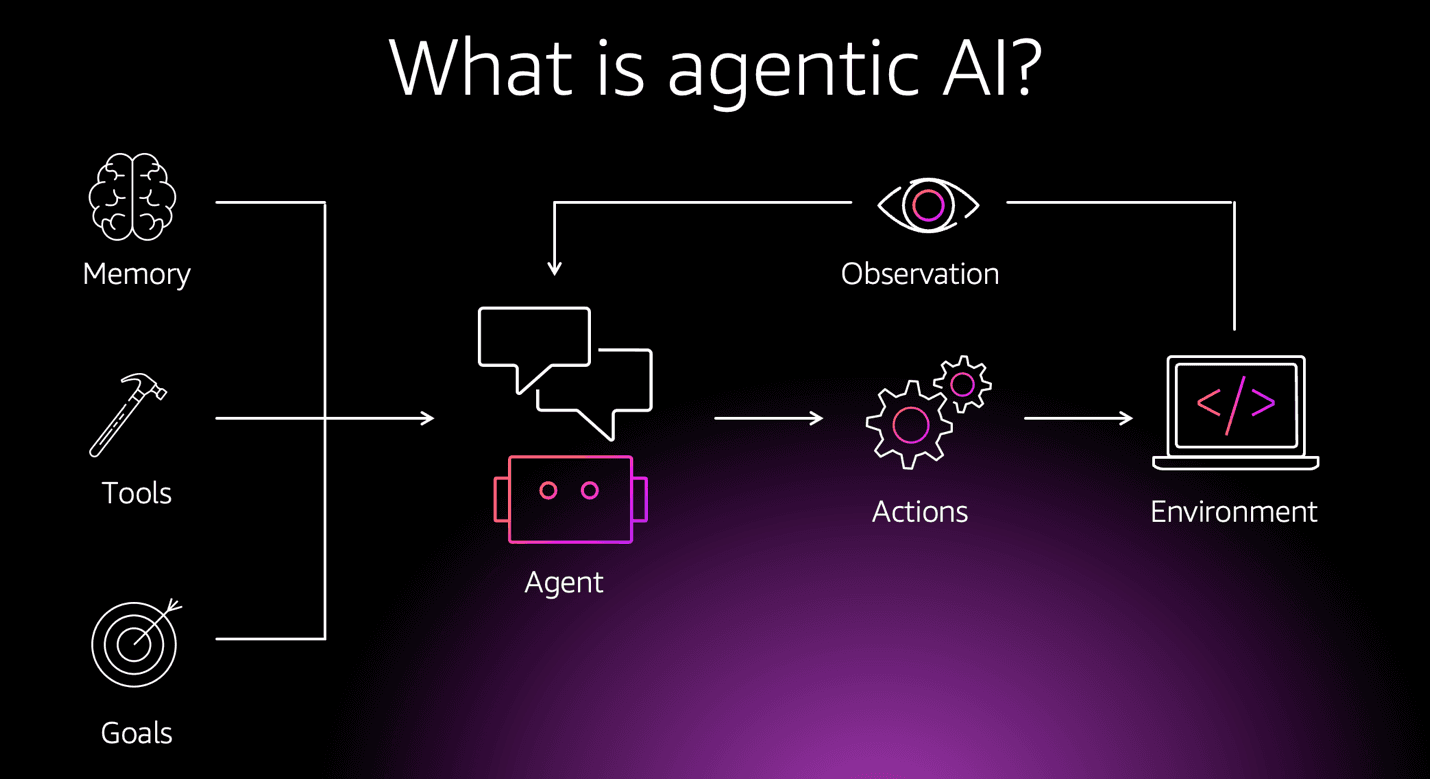
Agentic AI can supercharge India’s DPI-led growth—if we bind it with hard safety rails. Without them, the blast radius hits banks, welfare, and security.
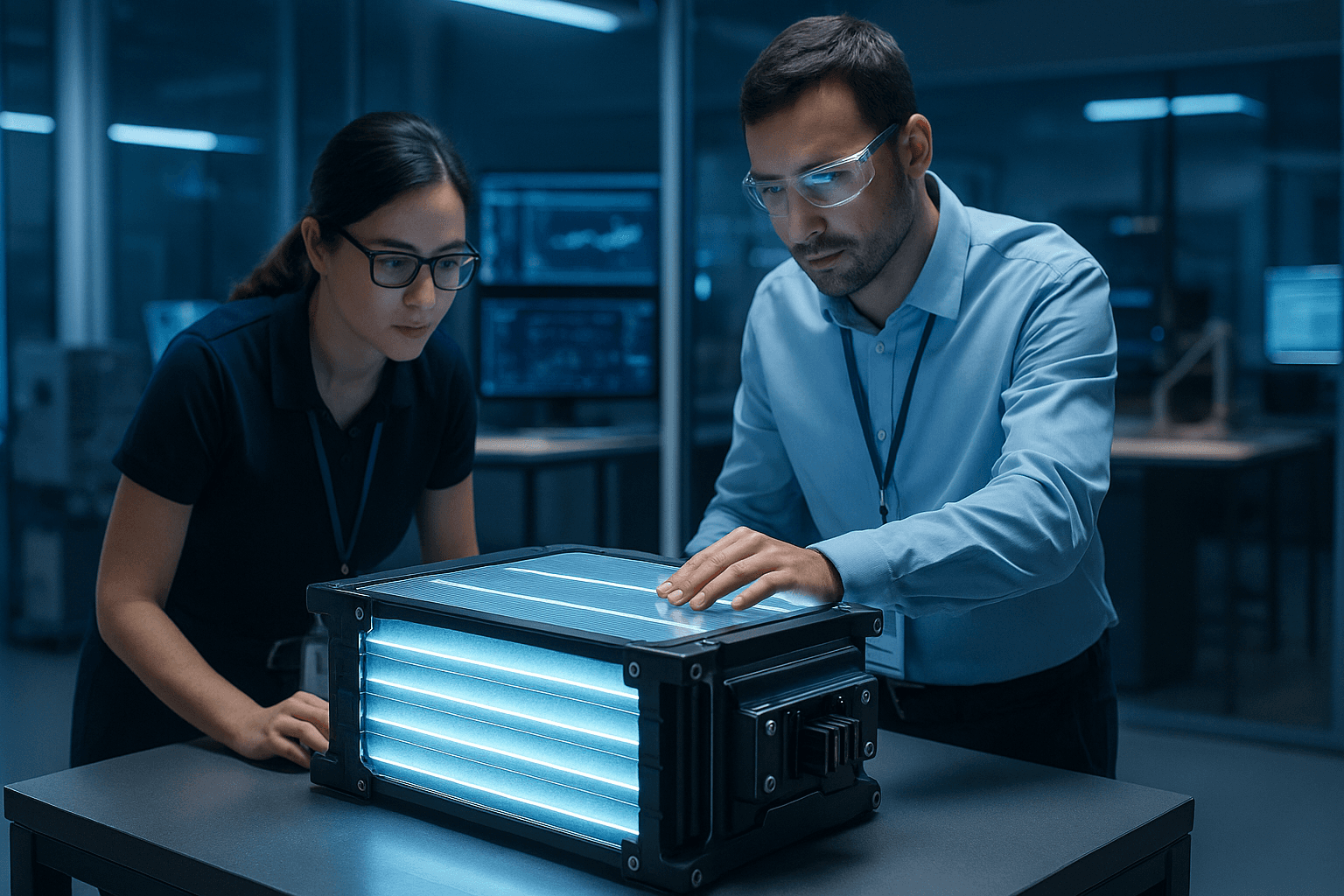
From electric cars to smartphones, solid-state batteries promise longer life, faster charging, and safer energy. They’re finally moving from lab to factory.
Imagine a car whose body itself is the battery. Structural battery composites could make that real — merging energy storage and strength in a single material.
ISRO’s Crew Escape System can yank the crew module off a failing rocket in seconds—then parachute it to a safe splashdown.
Nobel economics goes to Mokyr, Aghion & Howitt for explaining how innovation and “creative destruction” power long-run growth—and how to keep it going.
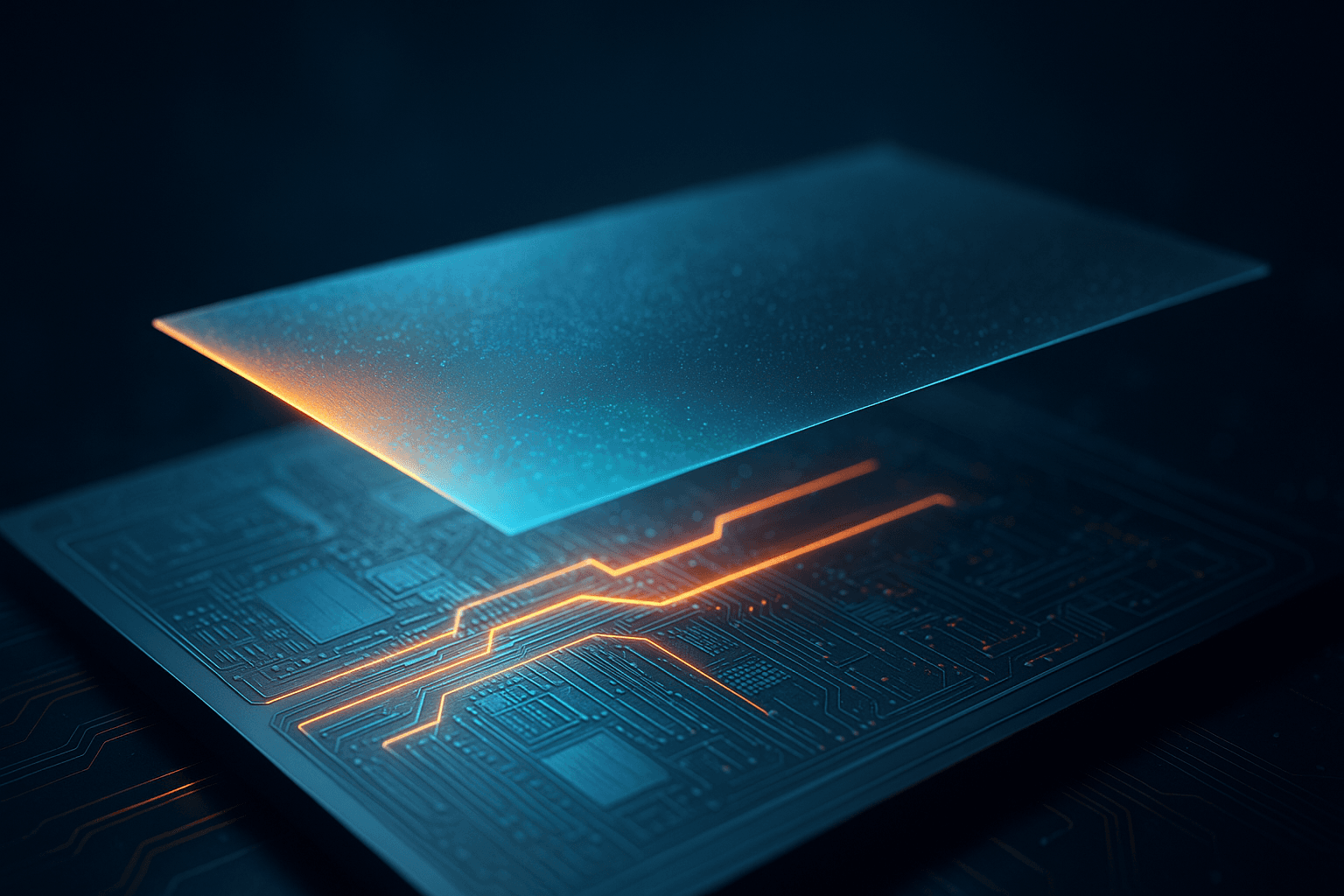
A team at Fudan University has merged atom-thin materials with classic silicon circuits — a breakthrough that could redefine the future of computing.
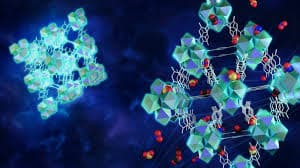
Metal–organic frameworks turned crystals into programmable sponges. The Nobel recognises the architects who built, strengthened and tamed these porous lattices.
How Clarke, Devoret, and Martinis turned superconducting circuits into quantum systems, opening paths to sensing, readout and scalable quantum processors.
Richard Robson, Susumu Kitagawa, and Omar Yaghi win the 2025 Chemistry Nobel for creating Metal–Organic Frameworks, porous materials that “breathe.”