

Explained
In-depth coverage of Indian politics, governance, policies, and institutions. From Parliament debates to government schemes, this section brings context and clarity to the issues shaping India’s democracy.
The Court’s unease with talaq-e-hasan—especially divorces conveyed through lawyers—signals a push toward gender-just, due-process divorce norms.

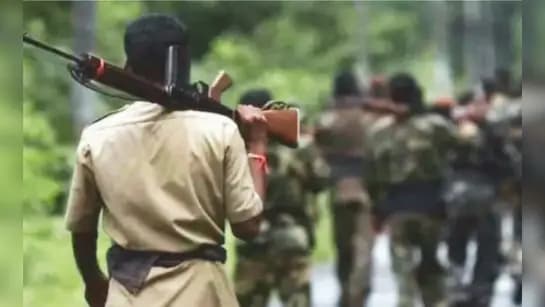
Post-Maoist regions need a governance reset: local representation, Gram Sabha authority and credible justice in Fifth Schedule areas.

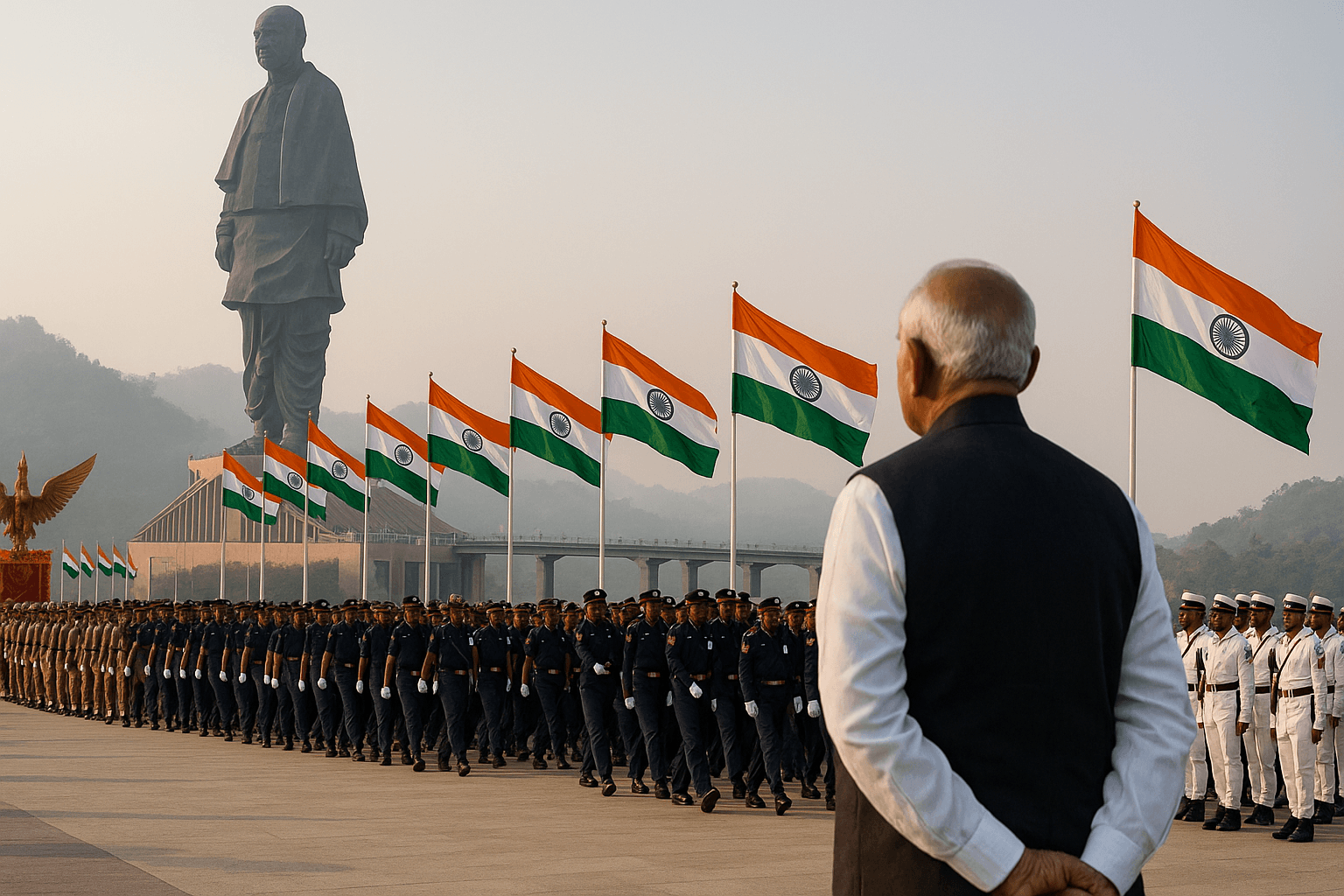
As PM Modi leads the Oct 31 parade at Kevadia, Sardar Patel’s statecraft—uniting 500+ princely states and shaping India’s steel-frame governance.

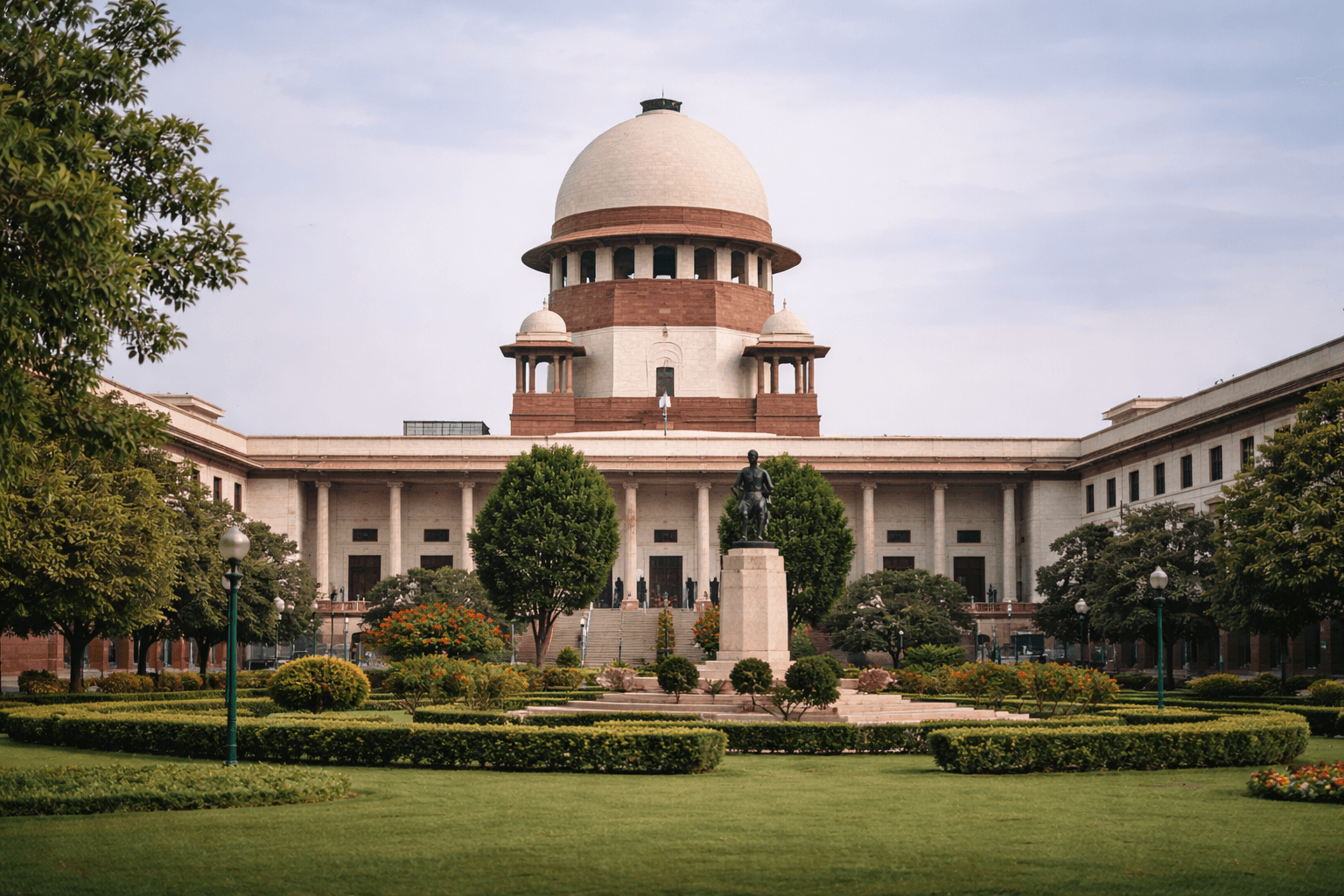
what the Supreme Court said in Samiullah v. State of Bihar, why it struck down Bihar’s “mutation-first” registration rules?.
The Court’s unease with talaq-e-hasan—especially divorces conveyed through lawyers—signals a push toward gender-just, due-process divorce norms.
Post-Maoist regions need a governance reset: local representation, Gram Sabha authority and credible justice in Fifth Schedule areas.
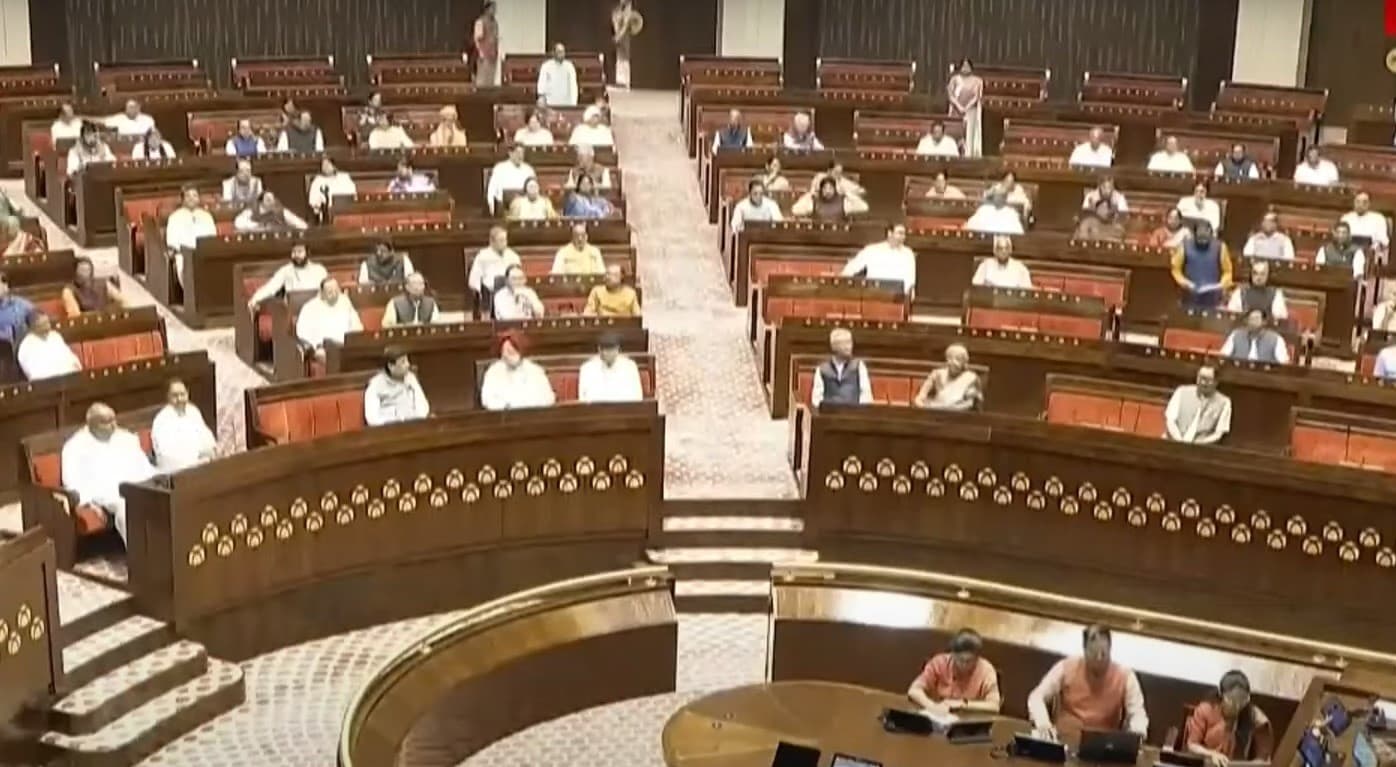
Lok Sabha cleared a Bill to raise insurance FDI to 100%, widen IRDAI powers, and ease entry for reinsurers.
As PM Modi leads the Oct 31 parade at Kevadia, Sardar Patel’s statecraft—uniting 500+ princely states and shaping India’s steel-frame governance.
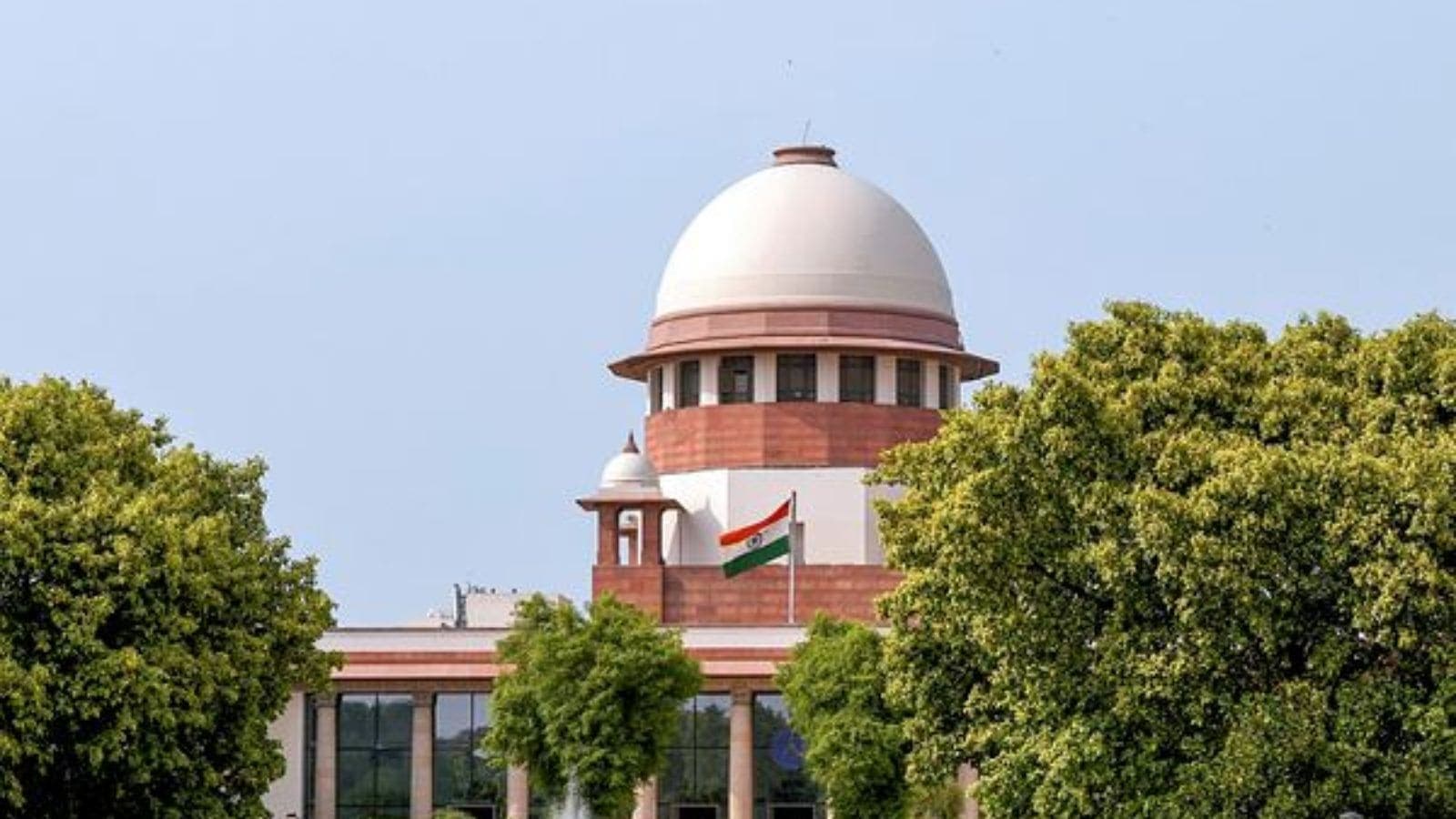
Telangana’s challenge to the High Court’s stay on 42% OBC reservation in local bodies revives an old legal thread: the Supreme Court’s “50% ceiling”

Supreme Court extends stay on ED’s TASMAC probe and asks if the agency’s actions encroach on State policing powers, sharpening a federalism debate.
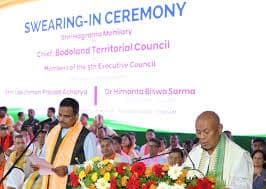
BPF leader Hagrama Mohilary takes charge of Bodoland Territorial Council, reviving Sixth Schedule governance in Assam’s tribal region.

Nagaland’s tribes are divided over the State’s 1977 job reservation policy as the government reconsiders its quota structure for Backward Tribes.