Neurotechnology and India: From Brain–Computer Interfaces to a New Strategic Frontier
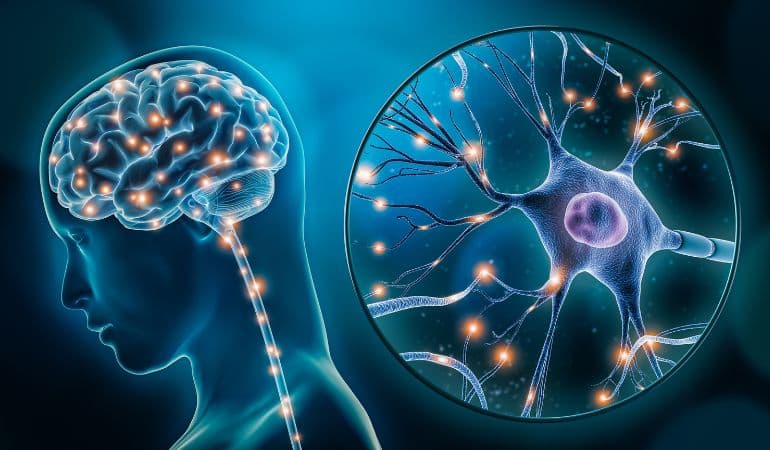
As brain–computer interfaces move from science fiction to clinical reality, India must harness neurotechnology for health, economic growth & ethical leadership.
News and features on scientific breakthroughs, technology trends, digital policy, and space exploration. Covering ISRO, innovation, and the future of science with clear context.
As brain–computer interfaces move from science fiction to clinical reality, India must harness neurotechnology for health, economic growth & ethical leadership.

A team at Fudan University has merged atom-thin materials with classic silicon circuits — a breakthrough that could redefine the future of computing.
As brain–computer interfaces move from science fiction to clinical reality, India must harness neurotechnology for health, economic growth & ethical leadership.

Survival from paediatric critical illness now exceeds 95% in many centres. The harder part begins after discharge: post-intensive-care syndrome in children.
Surgery is only one chapter.covering recovery timelines, reconstruction options, and mindset tool—to help women (and families) rebuild life after a mastectomy.
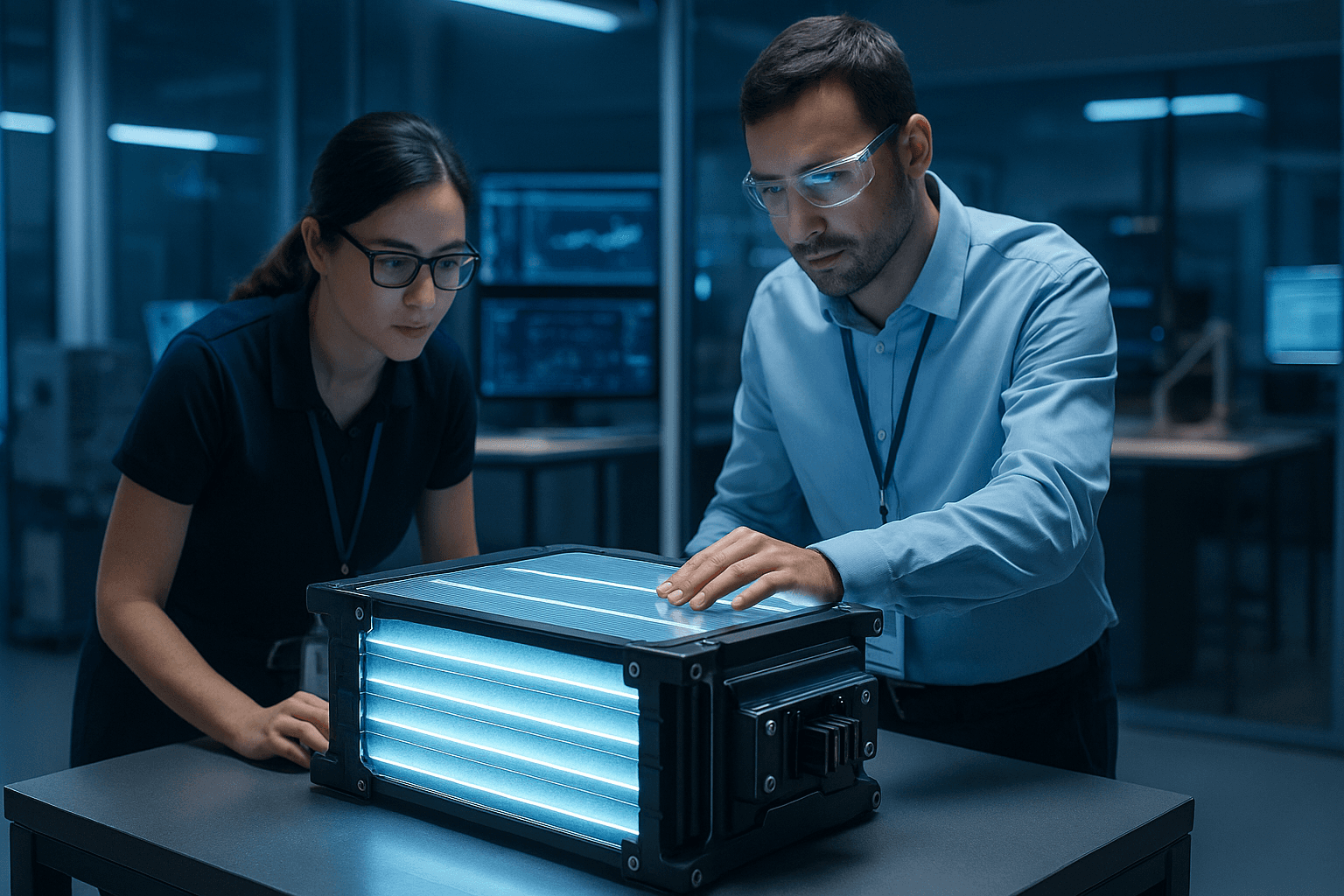
From electric cars to smartphones, solid-state batteries promise longer life, faster charging, and safer energy. They’re finally moving from lab to factory.
Imagine a car whose body itself is the battery. Structural battery composites could make that real — merging energy storage and strength in a single material.
A team at Fudan University has merged atom-thin materials with classic silicon circuits — a breakthrough that could redefine the future of computing.
Metal–organic frameworks turned crystals into programmable sponges. The Nobel recognises the architects who built, strengthened and tamed these porous lattices.
How Clarke, Devoret, and Martinis turned superconducting circuits into quantum systems, opening paths to sensing, readout and scalable quantum processors.
A new study warns that polar geoengineering proposals — from aerosols to sea curtains — could worsen climate risks, urging focus on cutting emissions.