
News
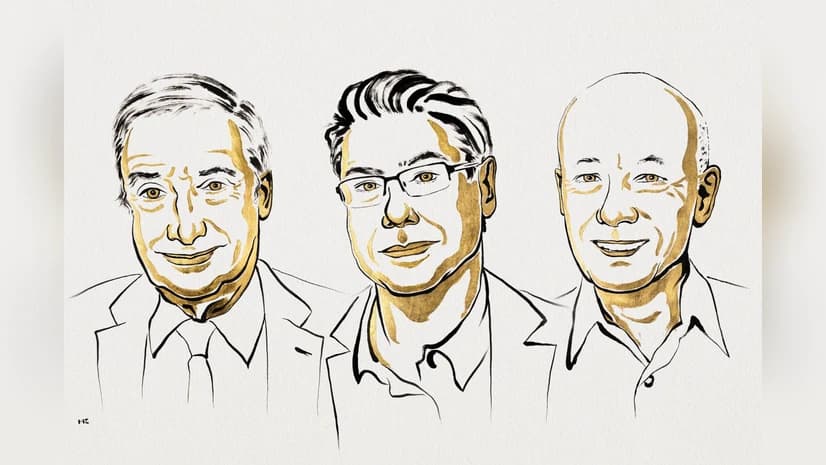
Mokyr, Aghion & Howitt win Nobel for innovation-led growth
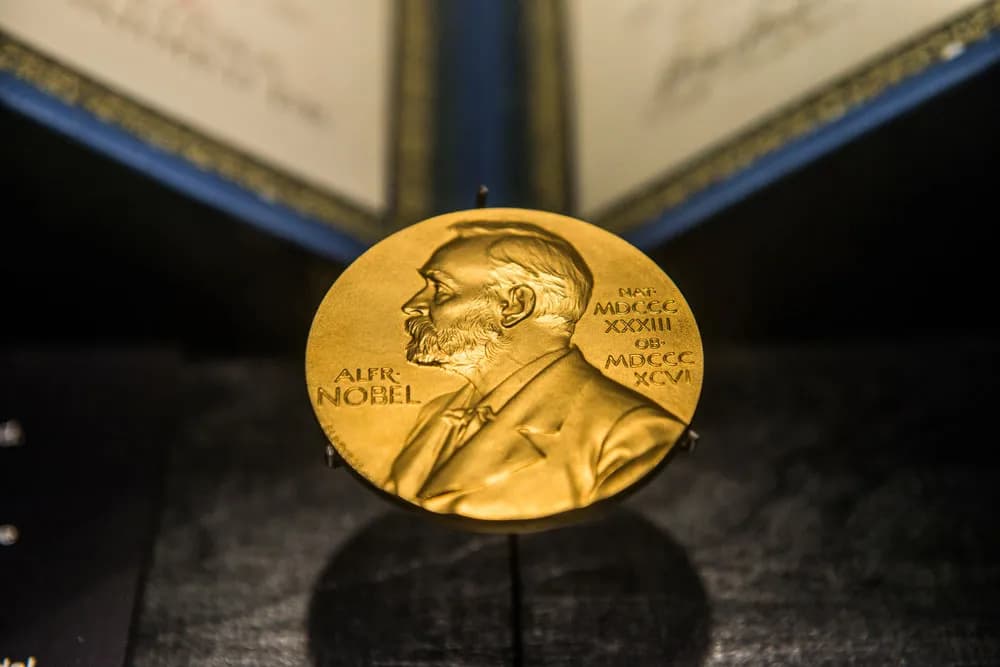
Nobel economics goes to Mokyr, Aghion & Howitt for explaining how innovation and “creative destruction” power long-run growth—and how to keep it going.

ANANDY
Oct 15, 2025
5 MIN READ
News and features on scientific breakthroughs, technology trends, digital policy, and space exploration. Covering ISRO, innovation, and the future of science with clear context.
Nobel economics goes to Mokyr, Aghion & Howitt for explaining how innovation and “creative destruction” power long-run growth—and how to keep it going.
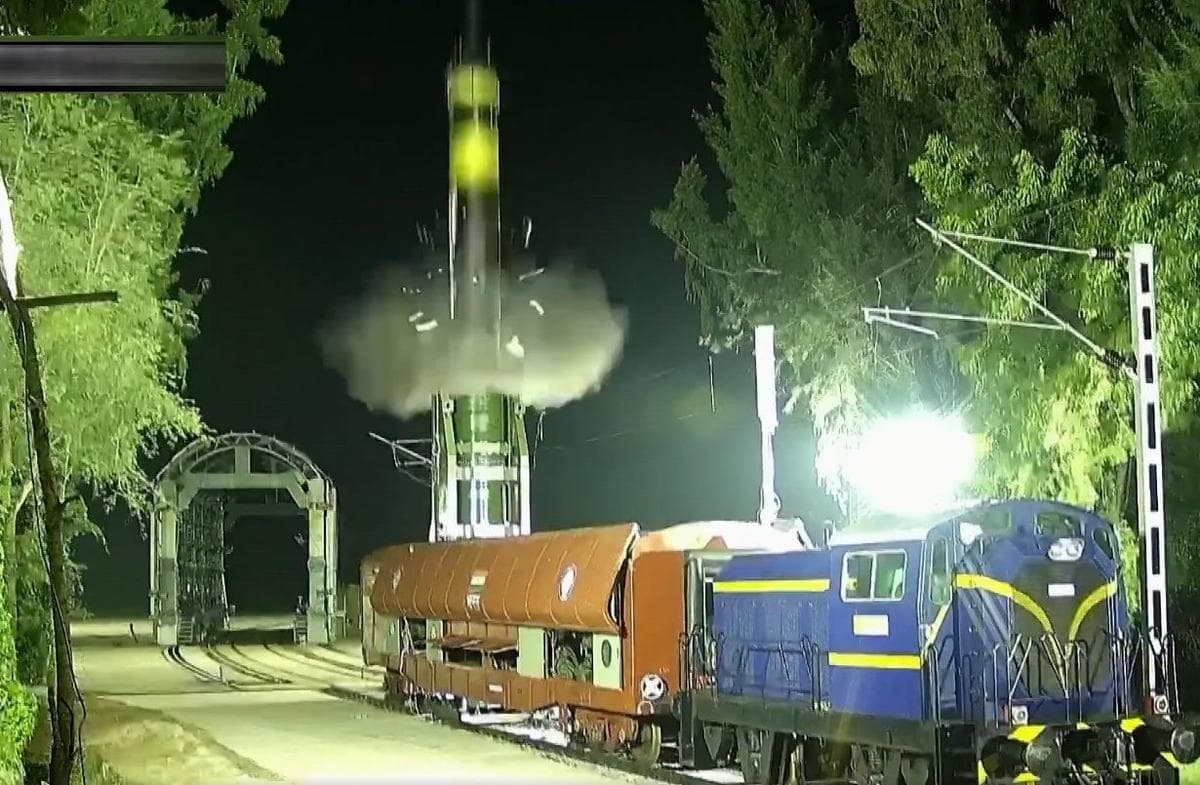
India test-fires Agni-Prime from a rail-based launcher, marking a milestone in rapid, mobile nuclear delivery systems.

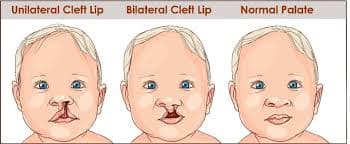
Cleft lip and palate are not cosmetic issues. India needs early detection, assured surgery, and long-term rehab as a routine public health service.
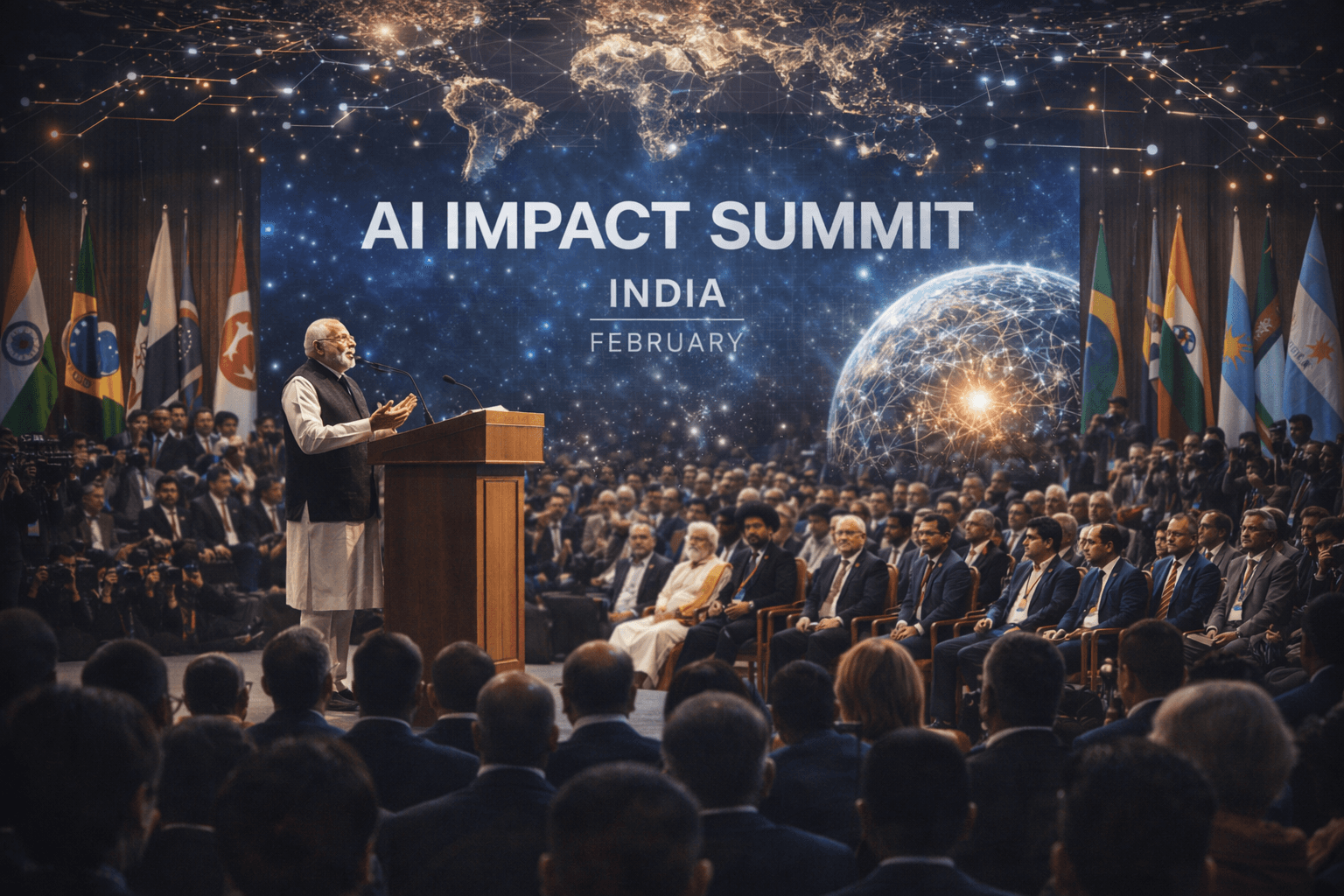
India will host a large AI Impact Summit in February with top leaders and tech CEOs; the big test is whether it delivers usable governance outcomes.
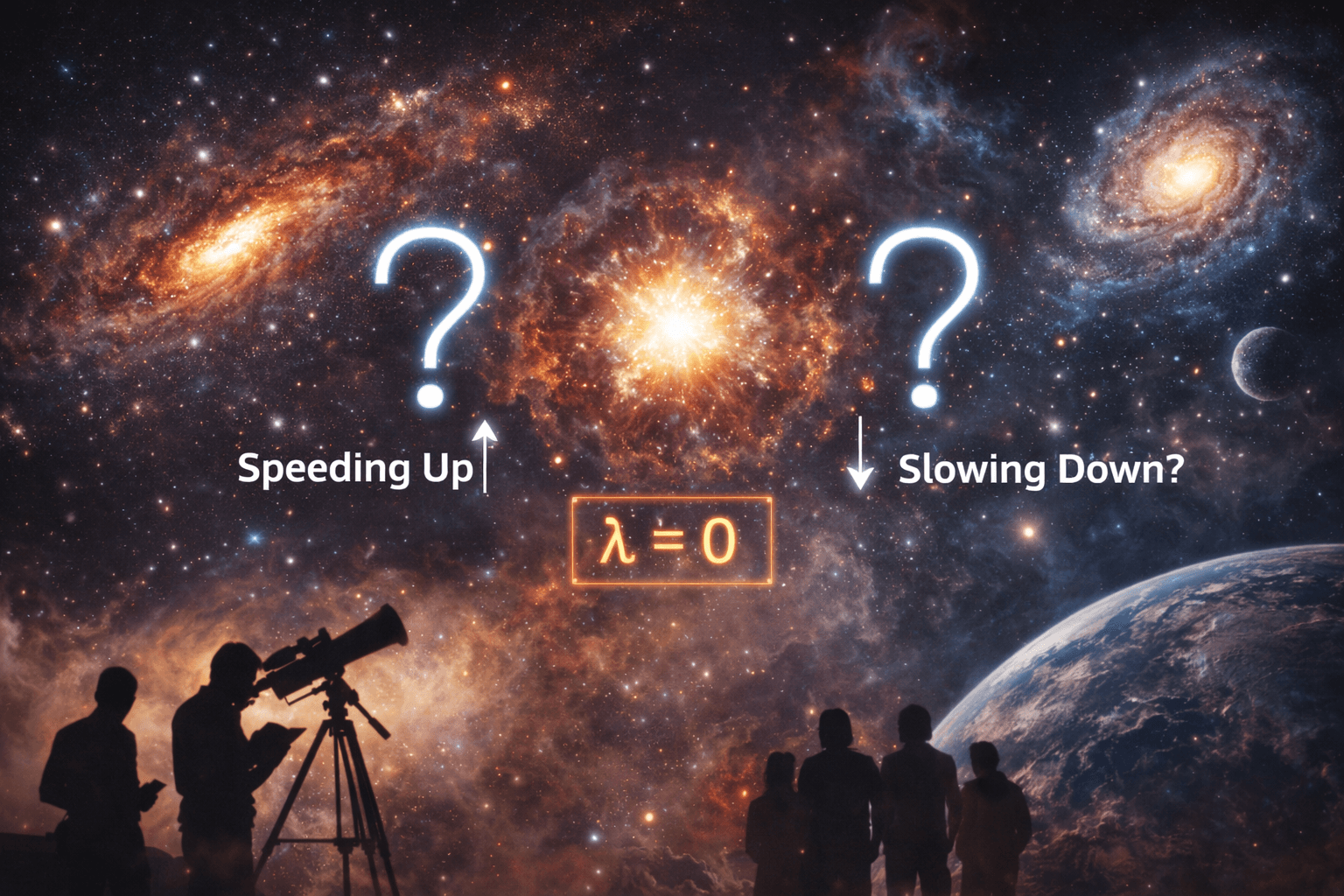
A Yonsei University analysis suggests the universe’s expansion may be slowing as dark energy weakens. Scientists disagree, and better data will decide.
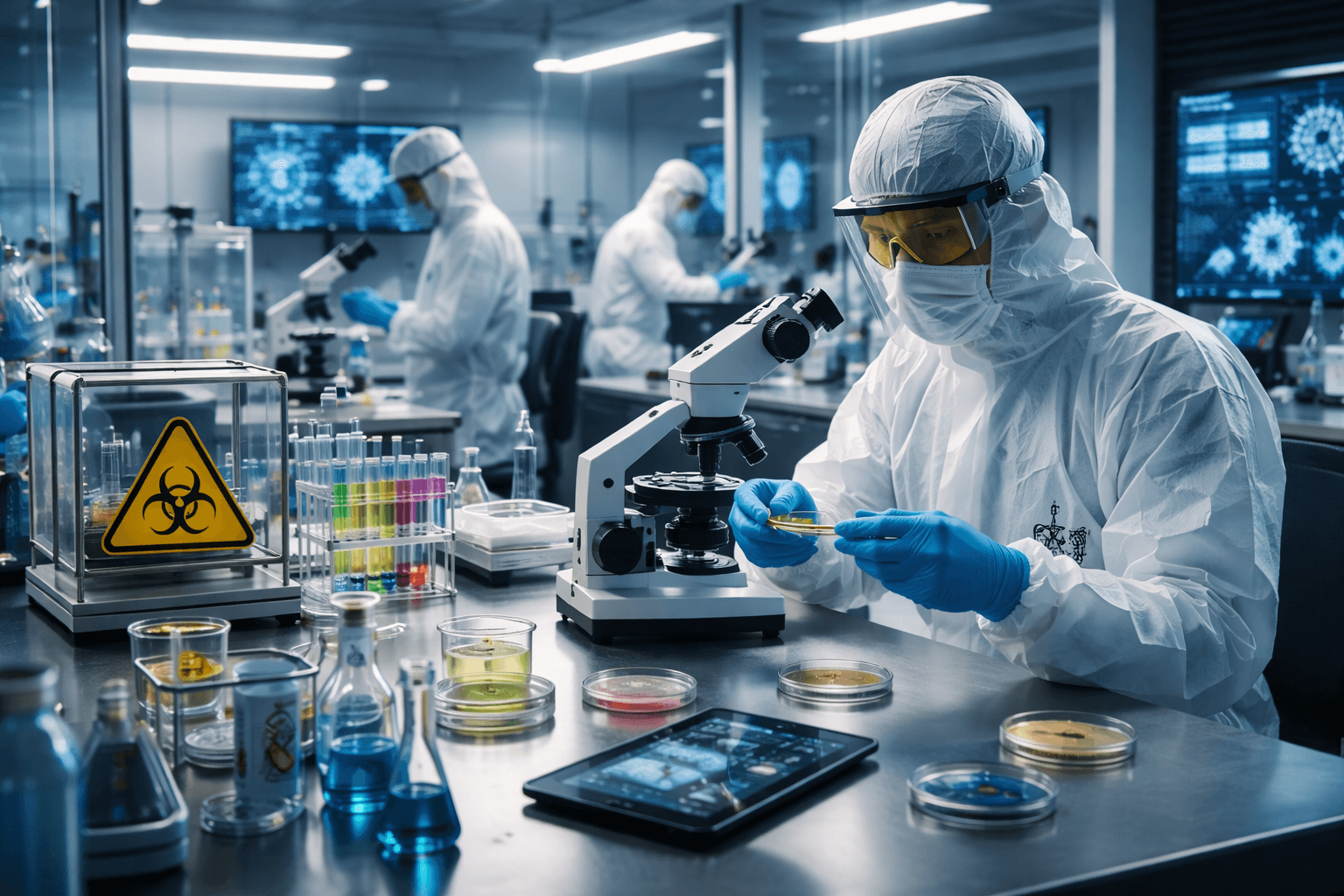
New biotech lowers barriers to misuse of pathogens; India needs a unified biosecurity framework across labs, health, livestock and crops.

STRiDE data from seven clinics shows early gestational diabetes hits ~1 in 5 pregnancies and may signal higher later-life diabetes risk than later GDM.
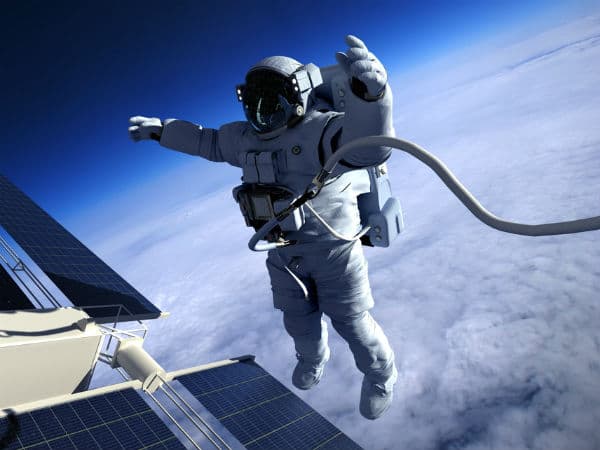
Gaganyaan, human-rating is the hard, largely invisible work that converts LVM-3 from a reliable cargo launcher into a system designed to protect human life.
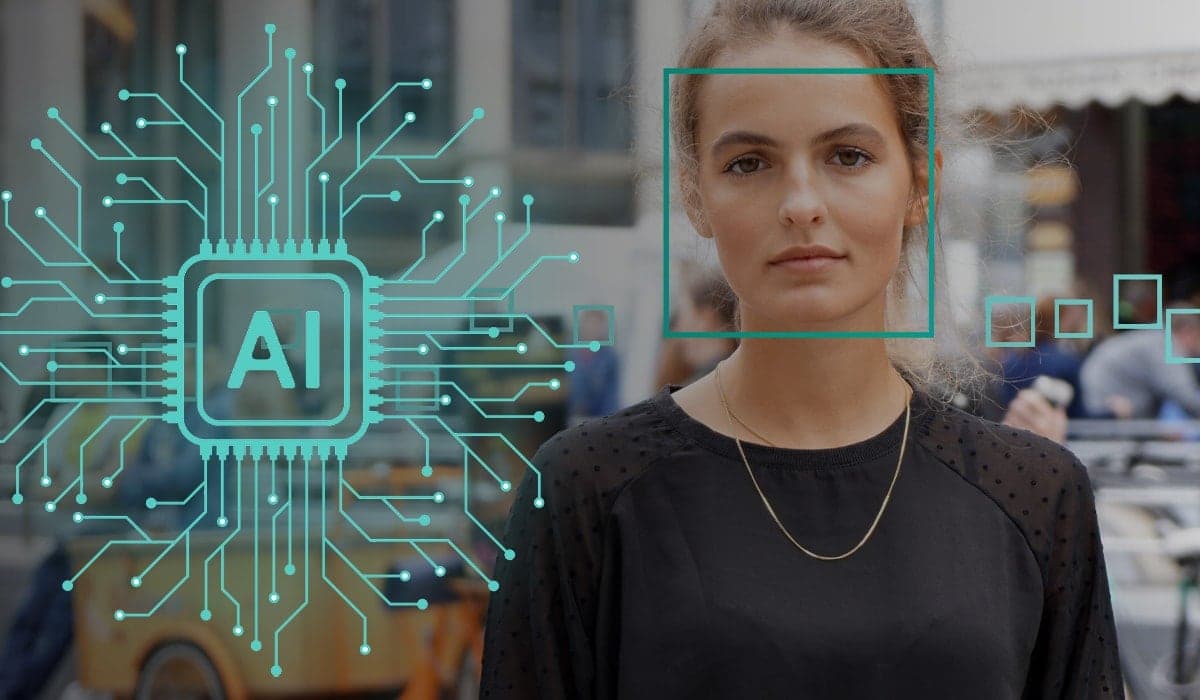
DPIIT’s working paper on AI copyright India backs mandatory licensing so AI training data use pays Indian creators without stalling innovation.
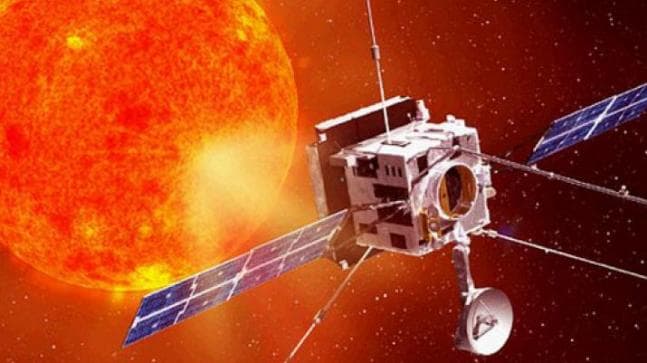
India’s Aditya-L1 observatory has revealed how a rare magnetic reconnection inside CMEs turned the May 2024 “Gannon’s storm” into an powerful solar event.
SAP leaders say AI will reshape enterprise via single-entry interfaces, embedded workflows, and tight guardrails. Here’s the playbook for India Inc.

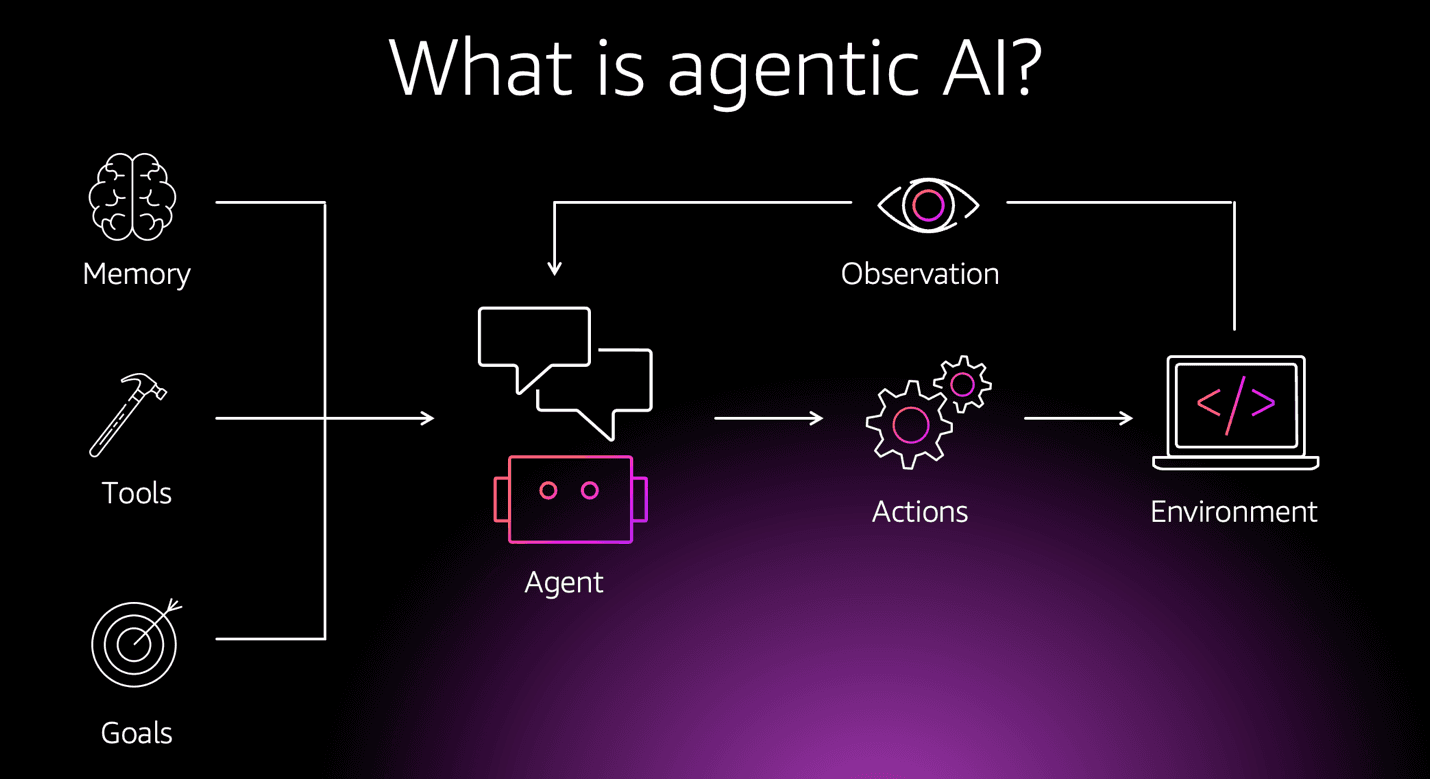
Agentic AI can supercharge India’s DPI-led growth—if we bind it with hard safety rails. Without them, the blast radius hits banks, welfare, and security.
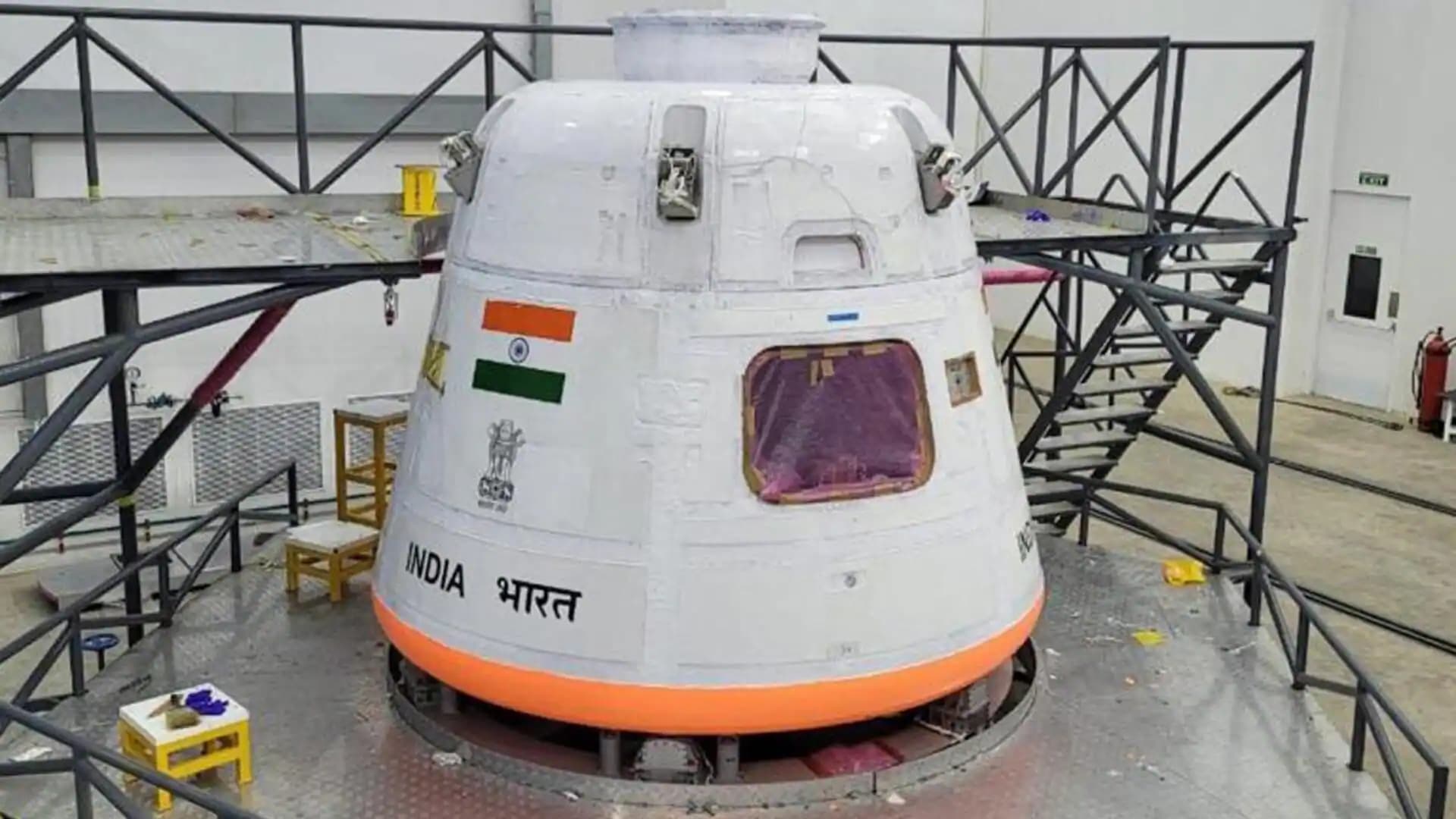
ISRO’s Crew Escape System can yank the crew module off a failing rocket in seconds—then parachute it to a safe splashdown.
Nobel economics goes to Mokyr, Aghion & Howitt for explaining how innovation and “creative destruction” power long-run growth—and how to keep it going.
Richard Robson, Susumu Kitagawa, and Omar Yaghi win the 2025 Chemistry Nobel for creating Metal–Organic Frameworks, porous materials that “breathe.”
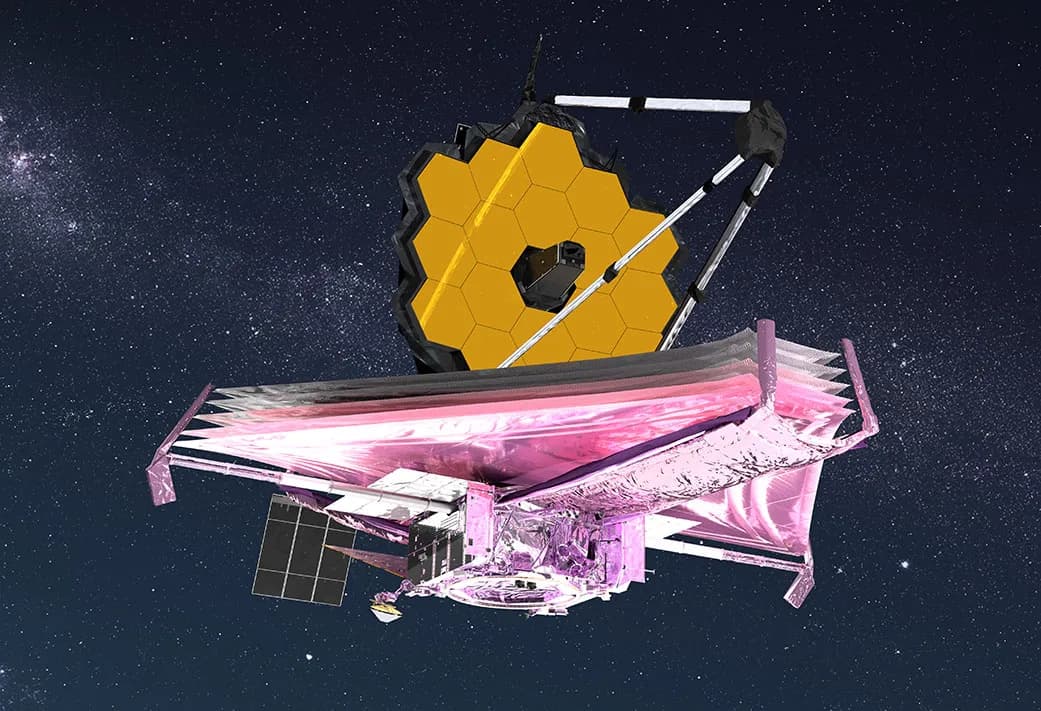
NASA’s James Webb Space Telescope may have spotted rare “dark stars” — cosmic objects powered by dark matter annihilation instead of nuclear fusion.

India faces two annual flu peaks but relies on a single-shot vaccine strategy. Experts argue for biannual vaccination and government-backed inclusion in UIP.
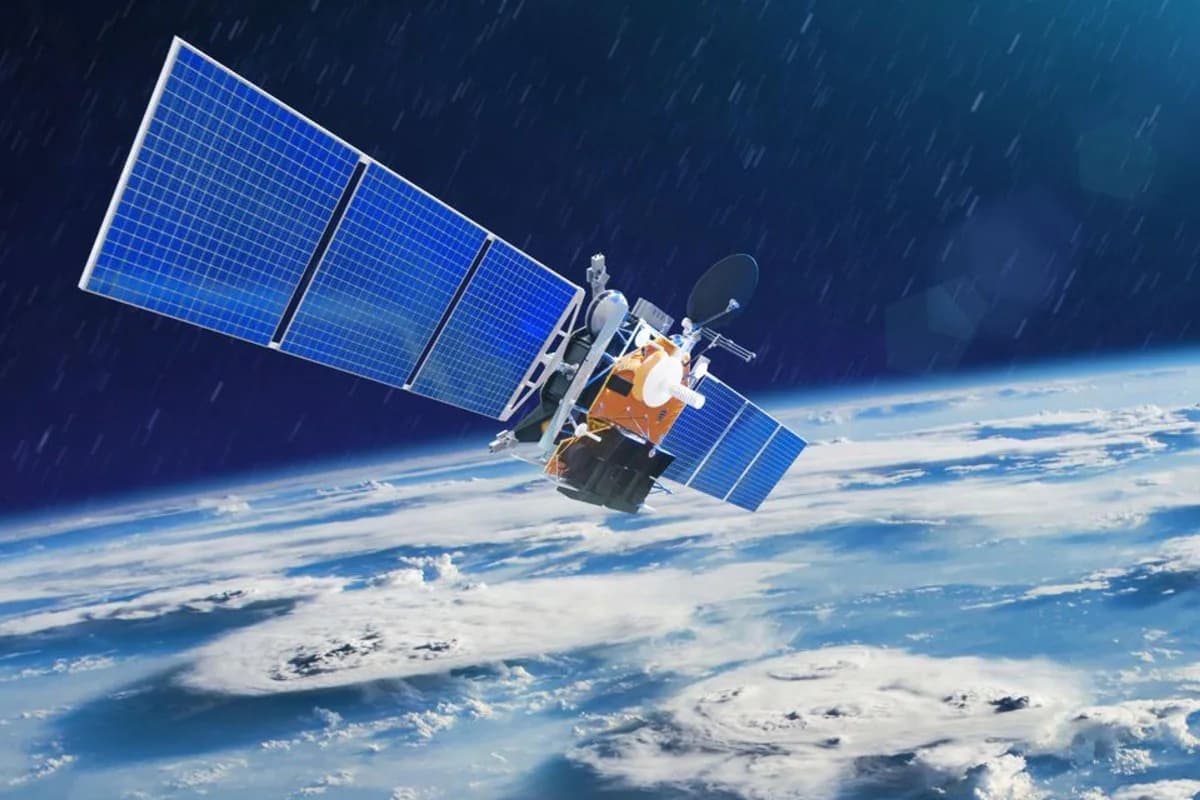
AstroSat, India’s first space observatory, marks 10 years in orbit, far outliving its five-year mission life and continuing to unlock cosmic secrets.
India test-fires Agni-Prime from a rail-based launcher, marking a milestone in rapid, mobile nuclear delivery systems.